


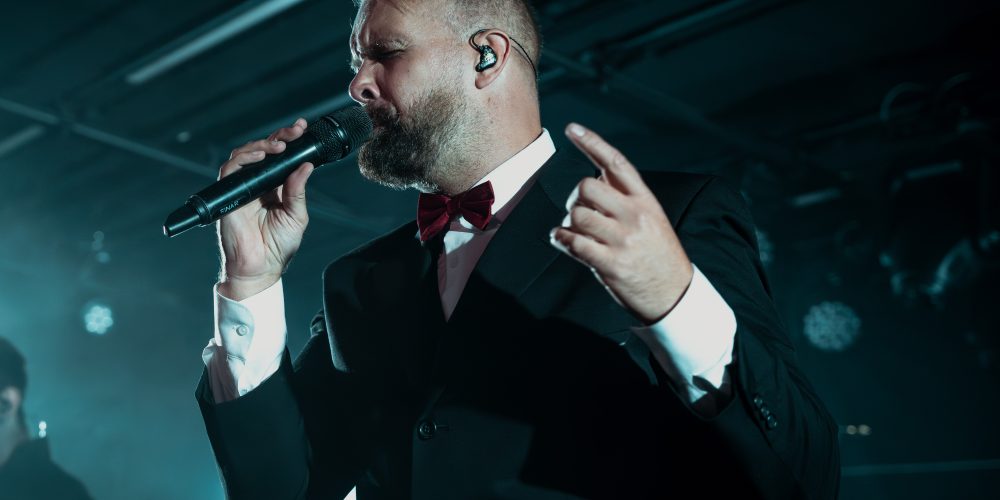
Text & Photo by: Miguel Solans. Full photo gallery at the bottom of this article. Special thanks to Free Music Events.
On Tuesday night, September 22, the venue Mouco in Porto welcomed Einar Solberg for a night dedicated to his solo career. Best known as the vocalist and one of the main creative forces behind Leprous, the Norwegian musician brought his latest work, Vox Occulta, to the stage in a concert that brought together progressive metal, electronic music, chamber music and a strong cinematic component.
Before Einar took the stage, the audience had the opportunity to experience three very different acts: French band Jovian Moons, cellist Raphael Weinroth–Browne and Finnish band Royal Sorrow. It was a diverse bill which, when viewed as a whole, ended up making perfect sense: each project explored, in its own way, different sides of the musical universe that Einar would later present.
Jovian Moons: A Debut That Left Its Mark
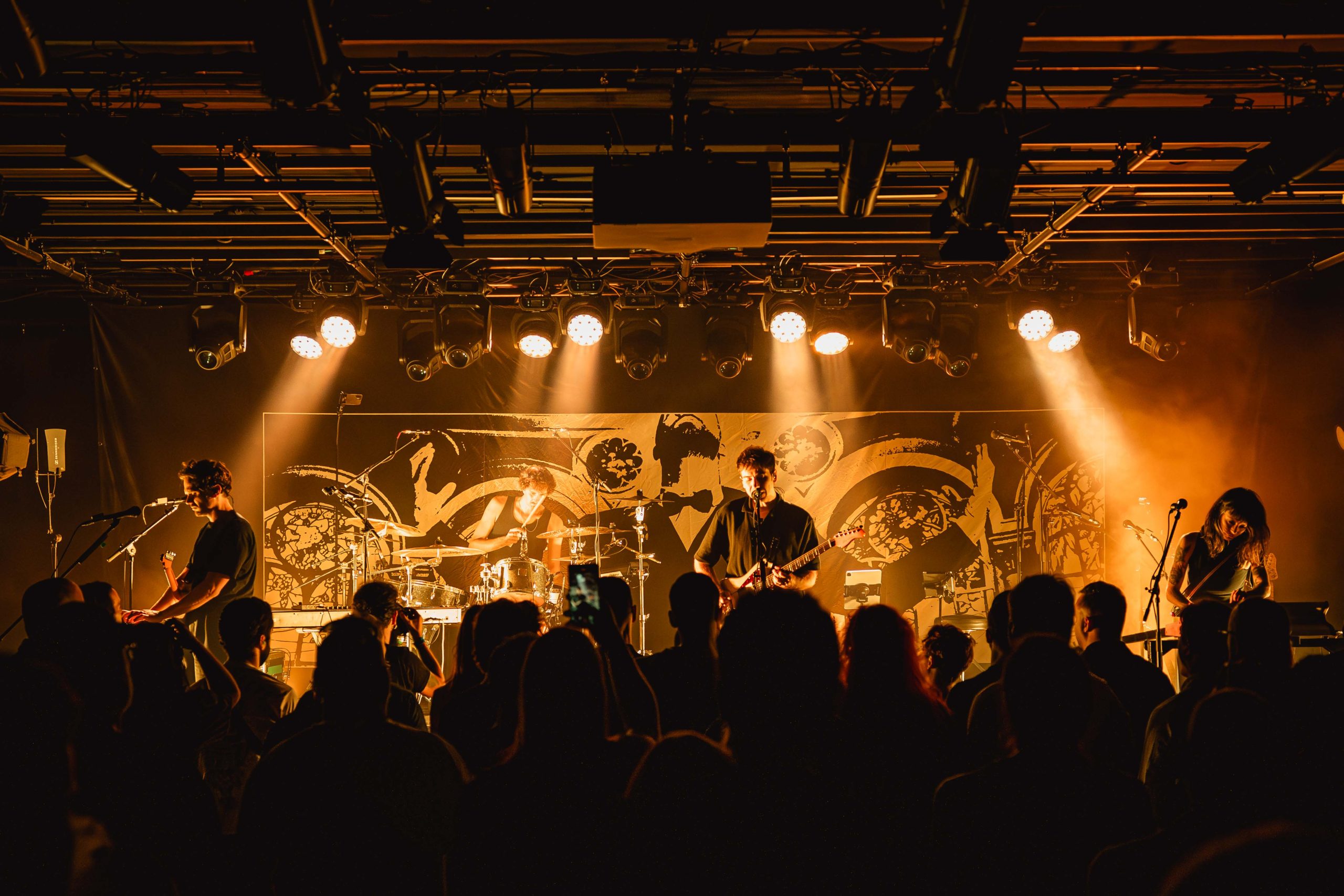
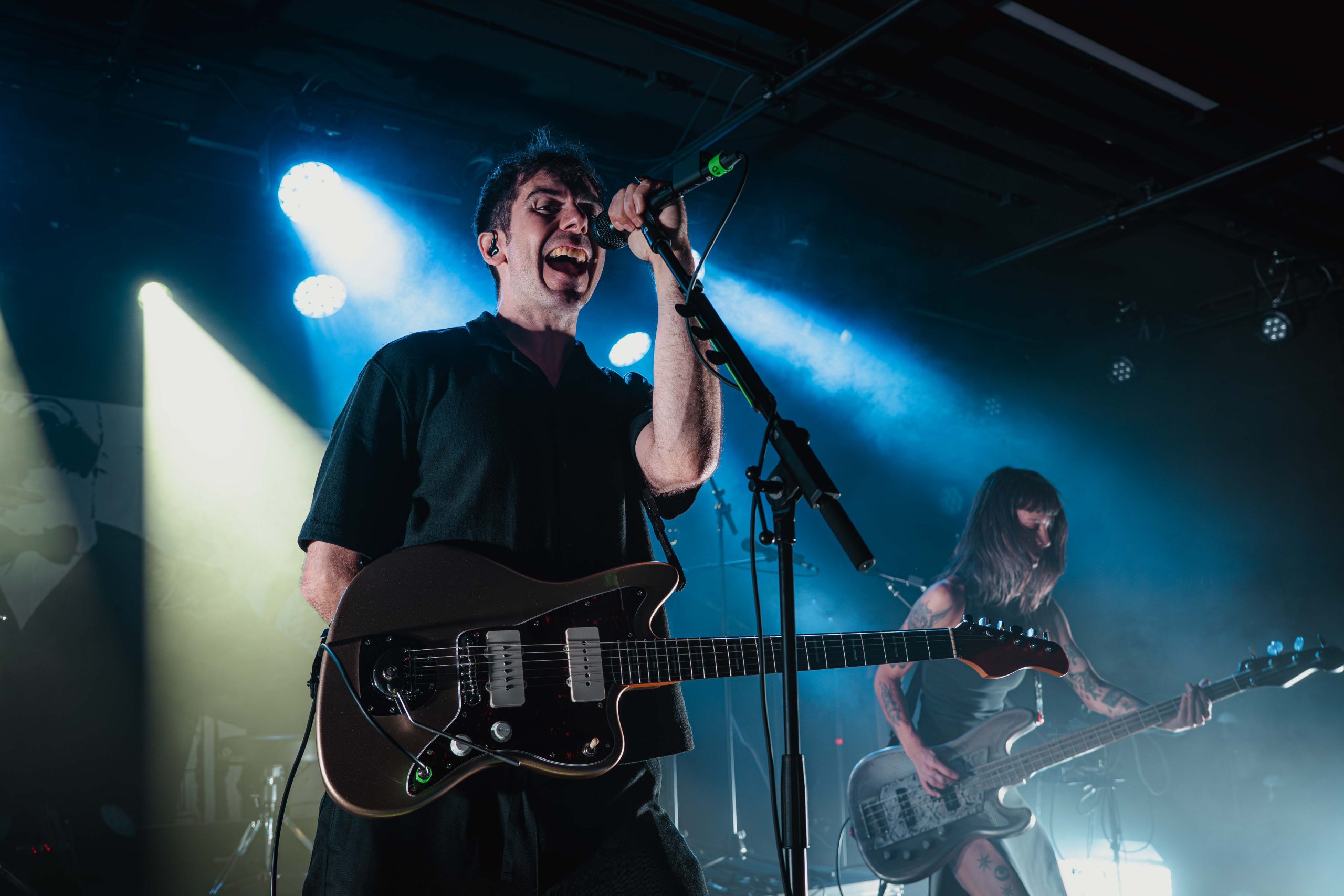
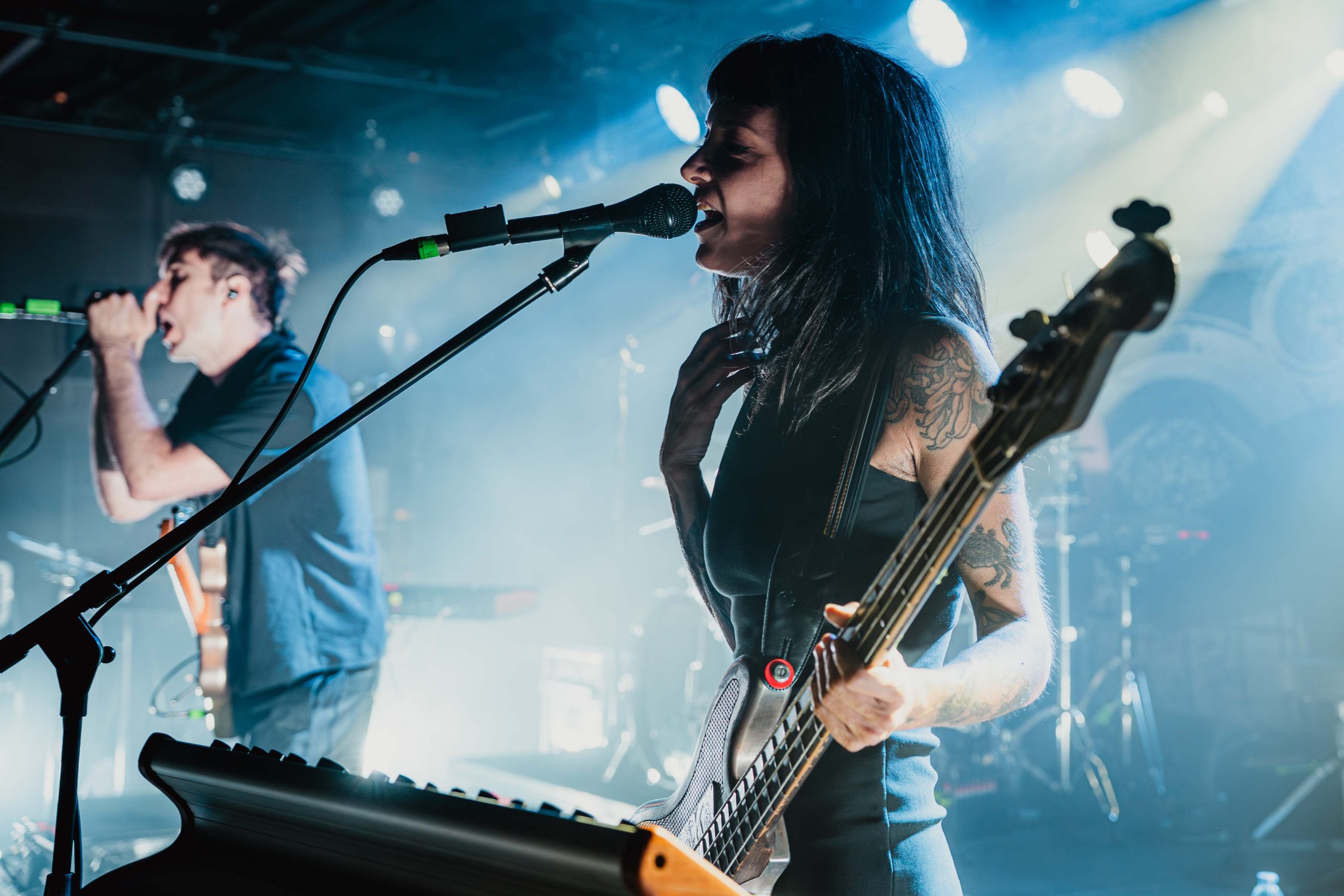
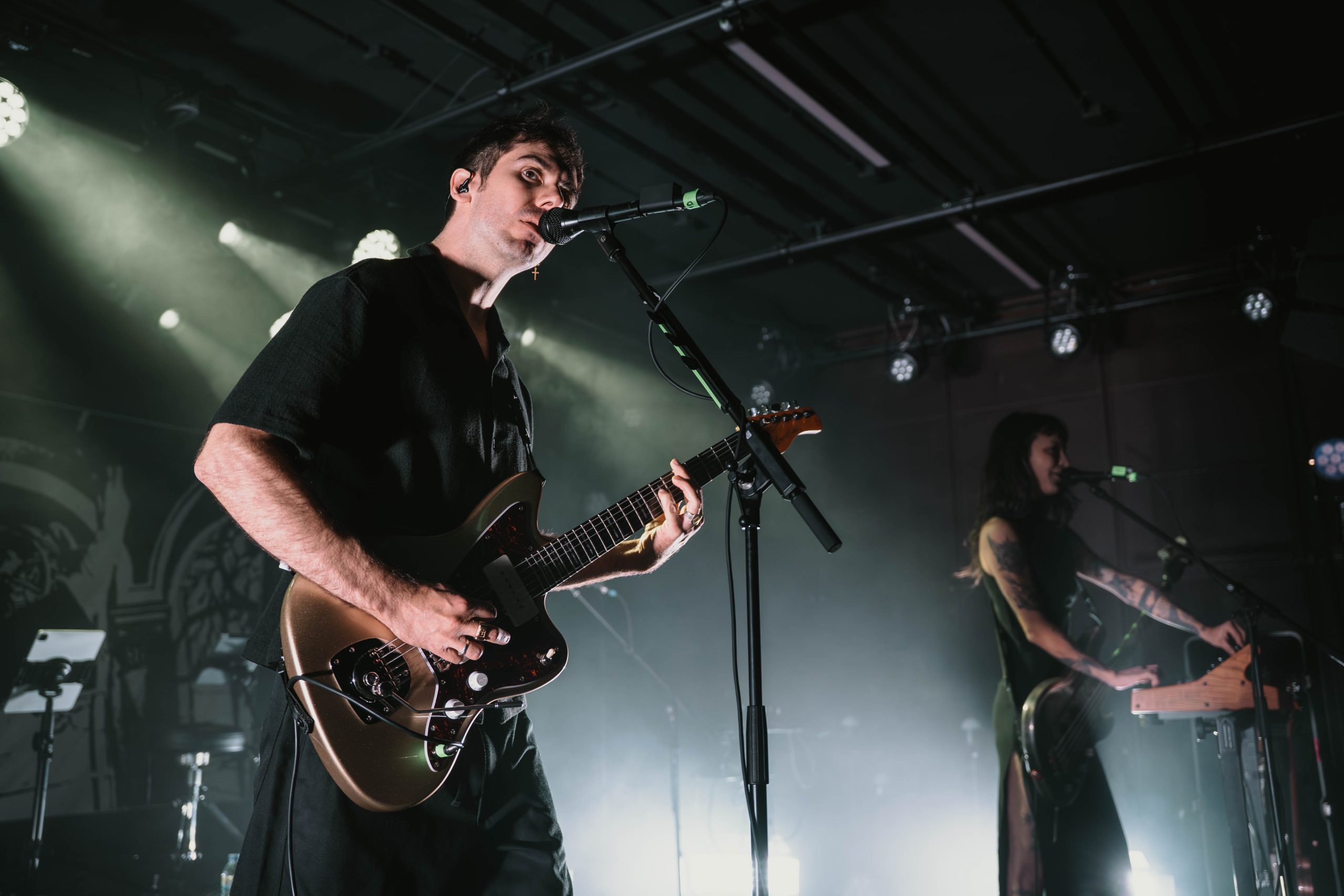
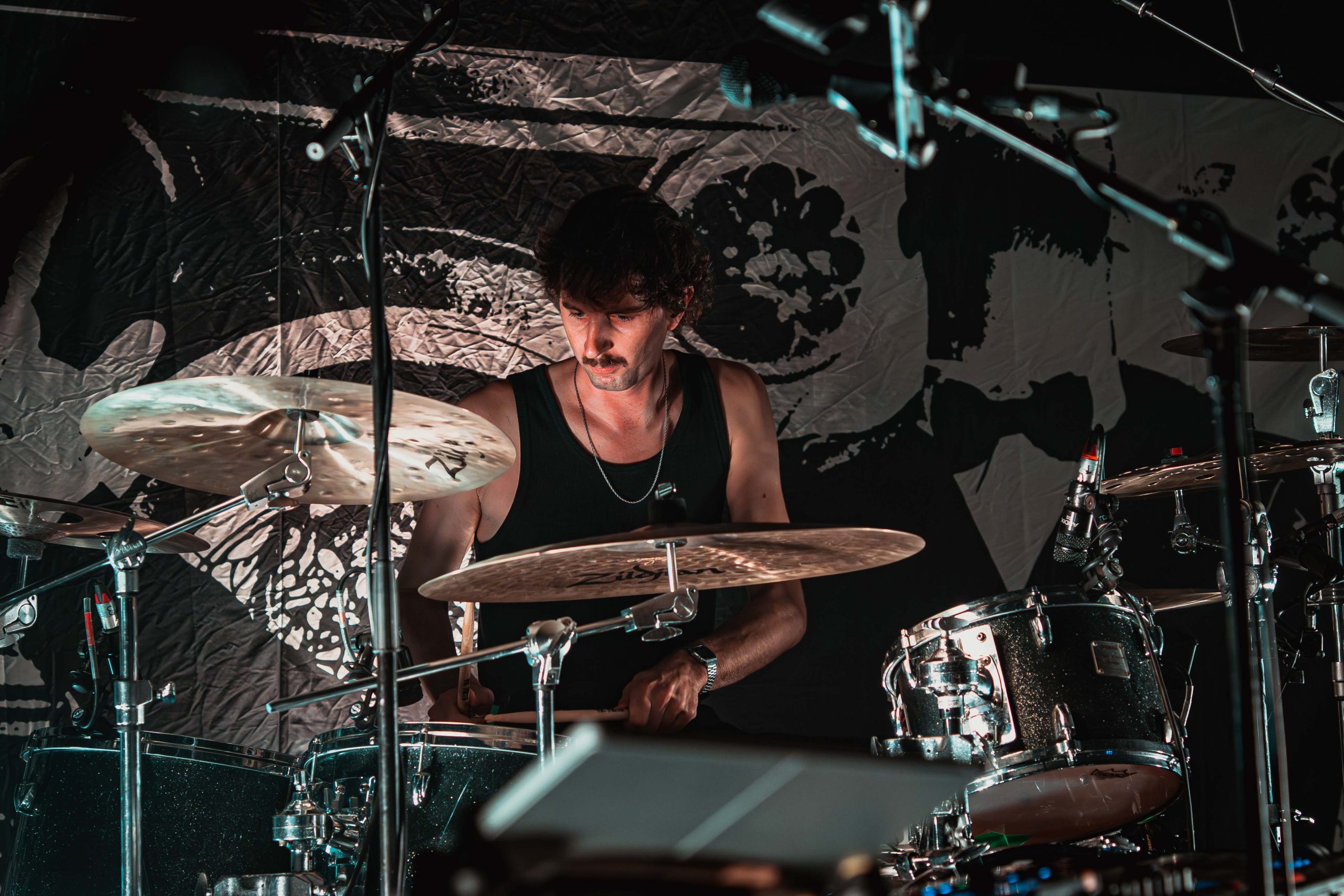
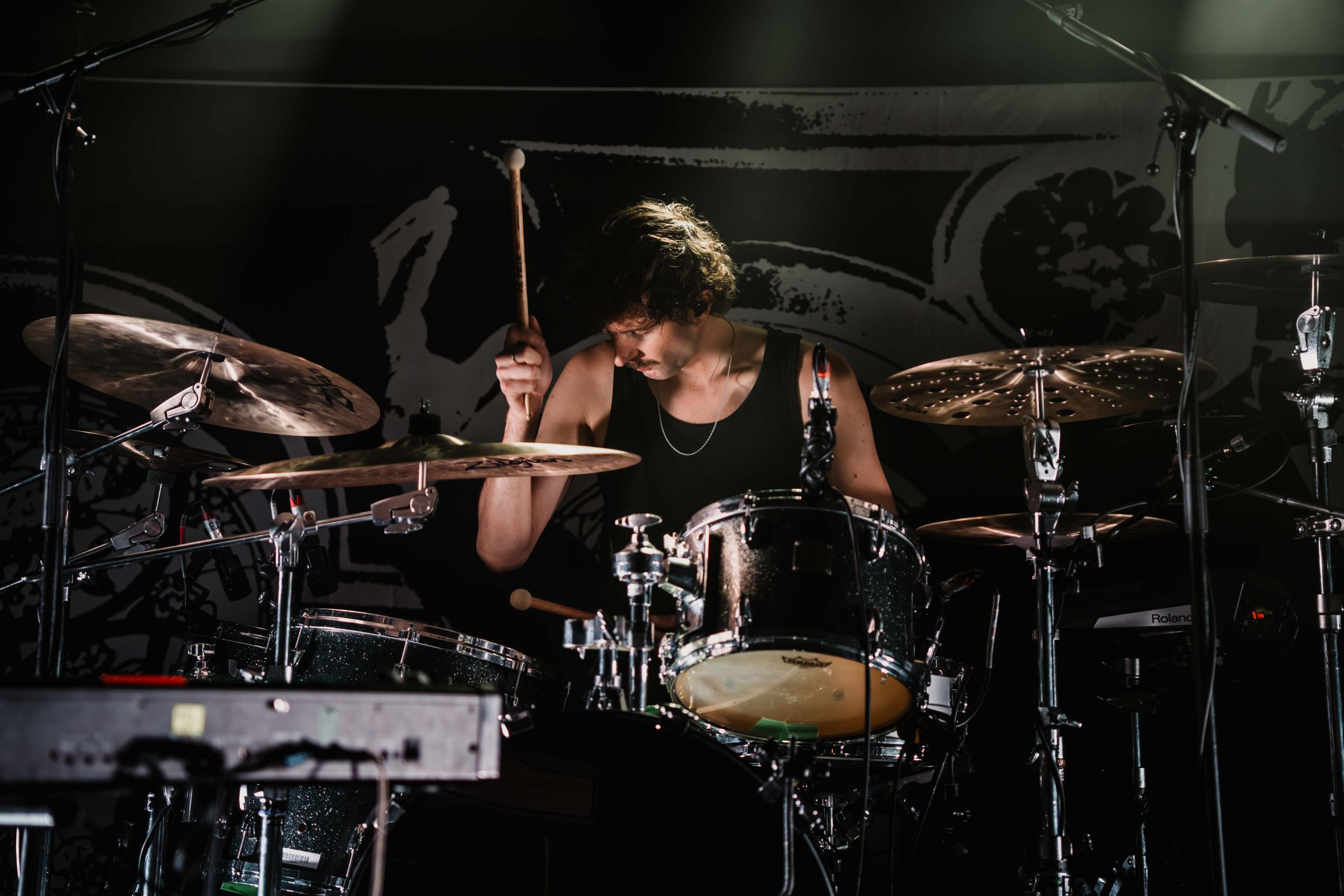
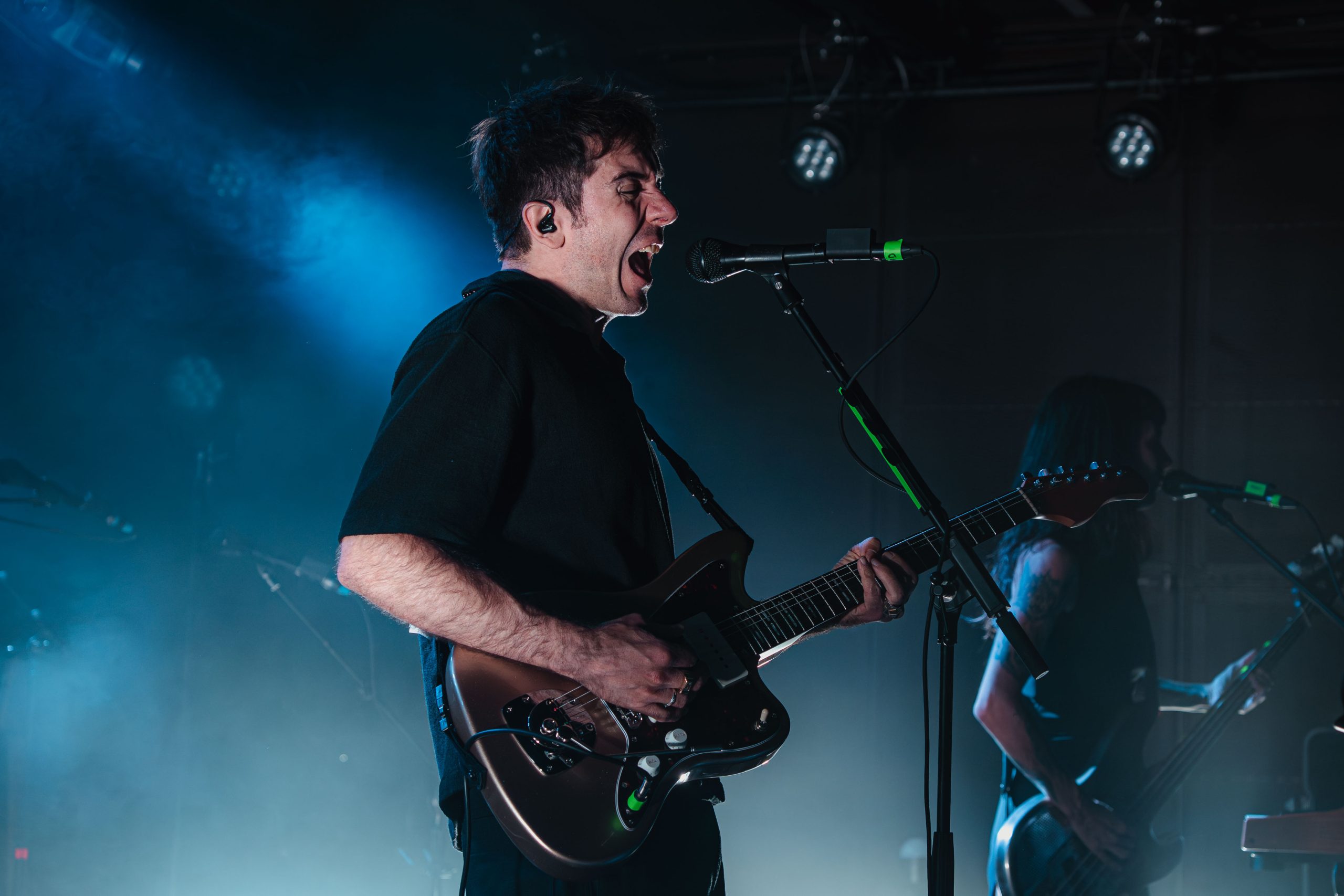
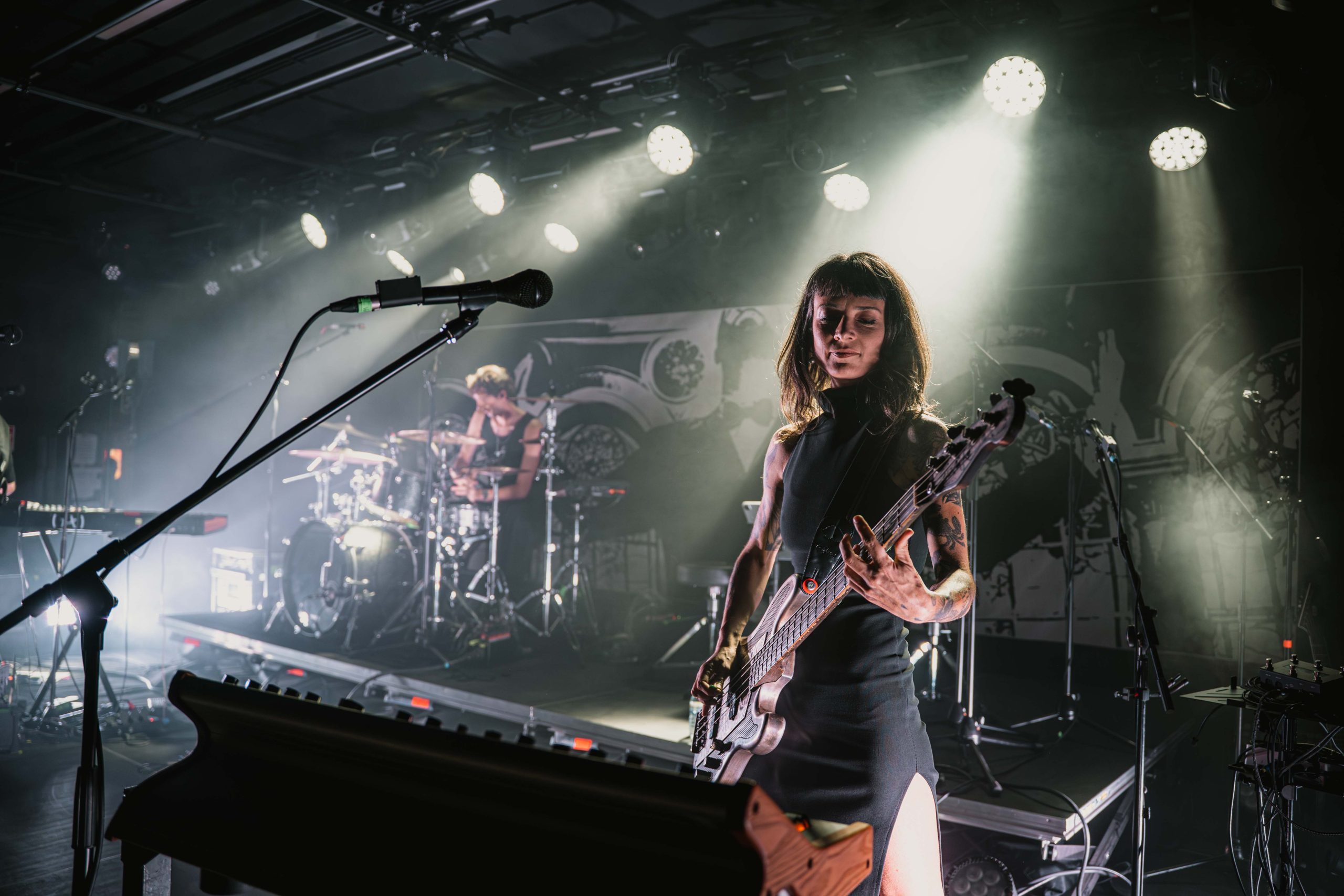
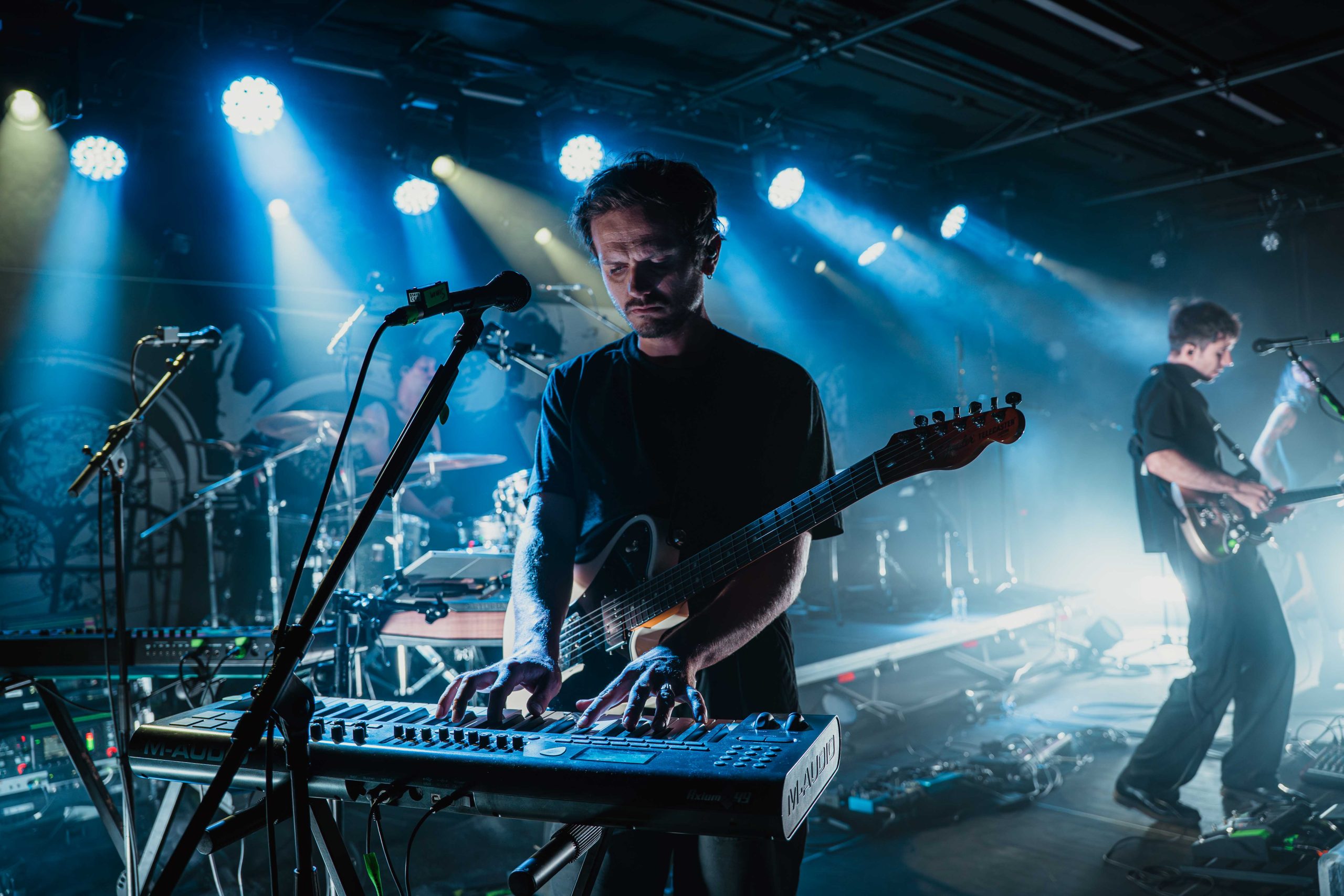
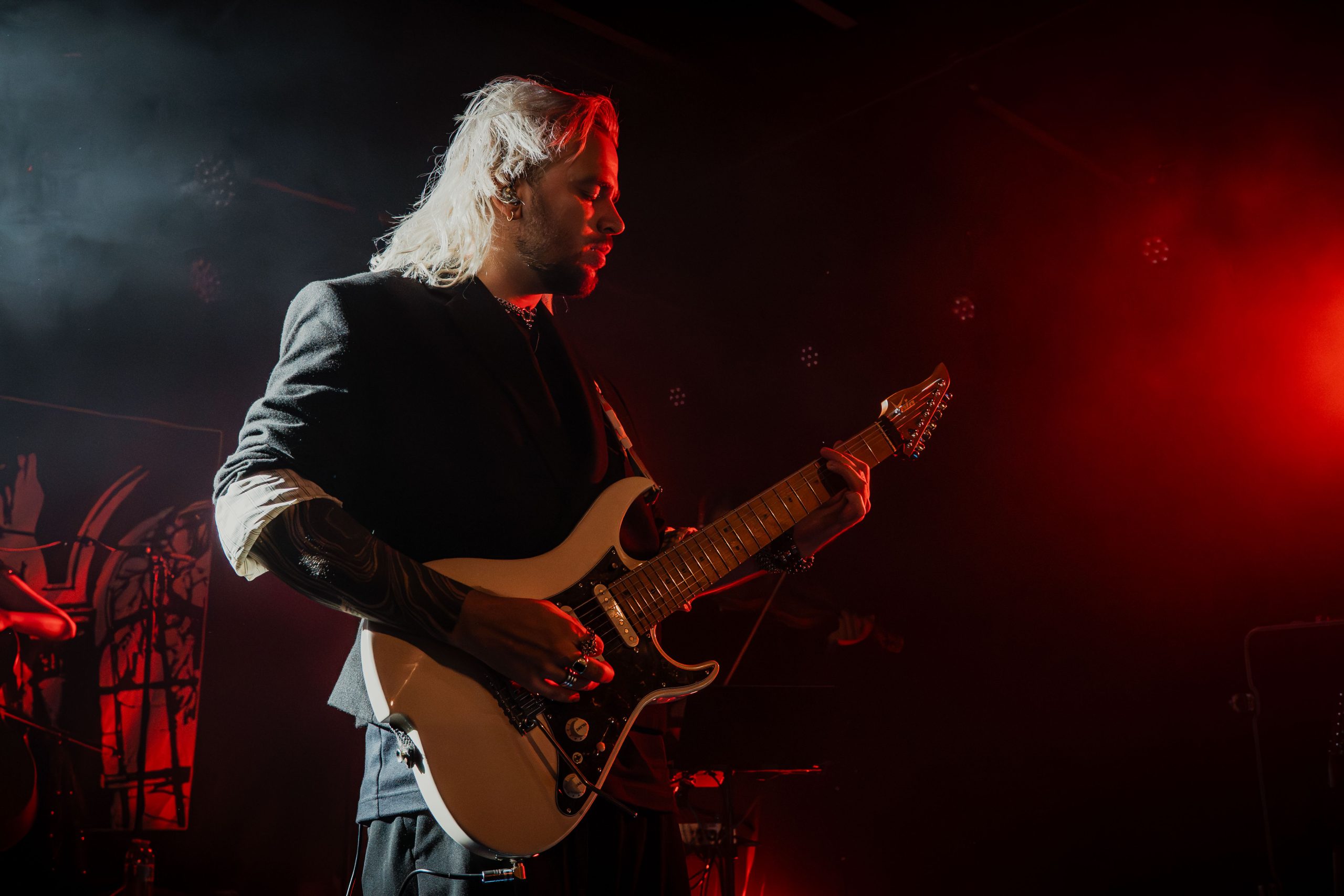
It was up to French band Jovian Moons to open the night. Hailing from Paris and still at the beginning of their journey, the band presented a set centred around their debut album, X Amount of Time, featuring tracks such as A Prophecy, On My Own, The Experiment, The Fog and Invisible. The performance was a pleasant surprise. Moving between atmospheric moments, post-rock passages and a more experimental edge, Jovian Moons gradually managed to capture the attention of the room.
The audience’s reaction seemed to confirm the warm reception: despite this being the band’s first visit to Portugal, Jovian Moons were sent off with a strong round of applause. A debut that could hardly have gone better.
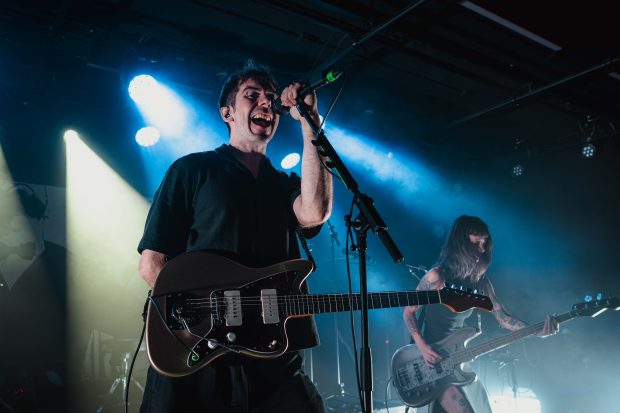
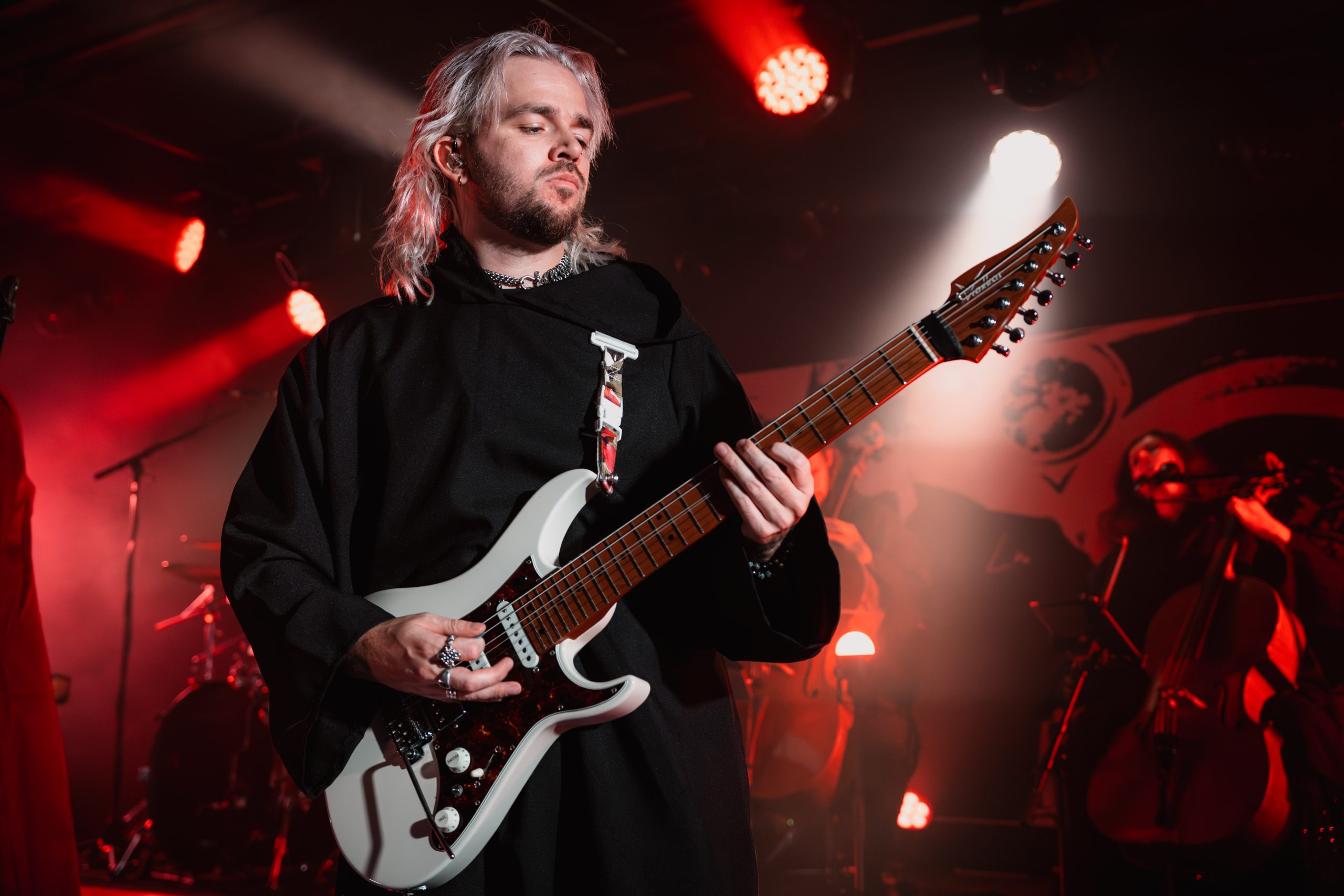
Jovian Moons (Photo: Miguel Solans | @metalupyourself)
Raphael Weinroth-Browne: When a Cello Takes Over the Stage
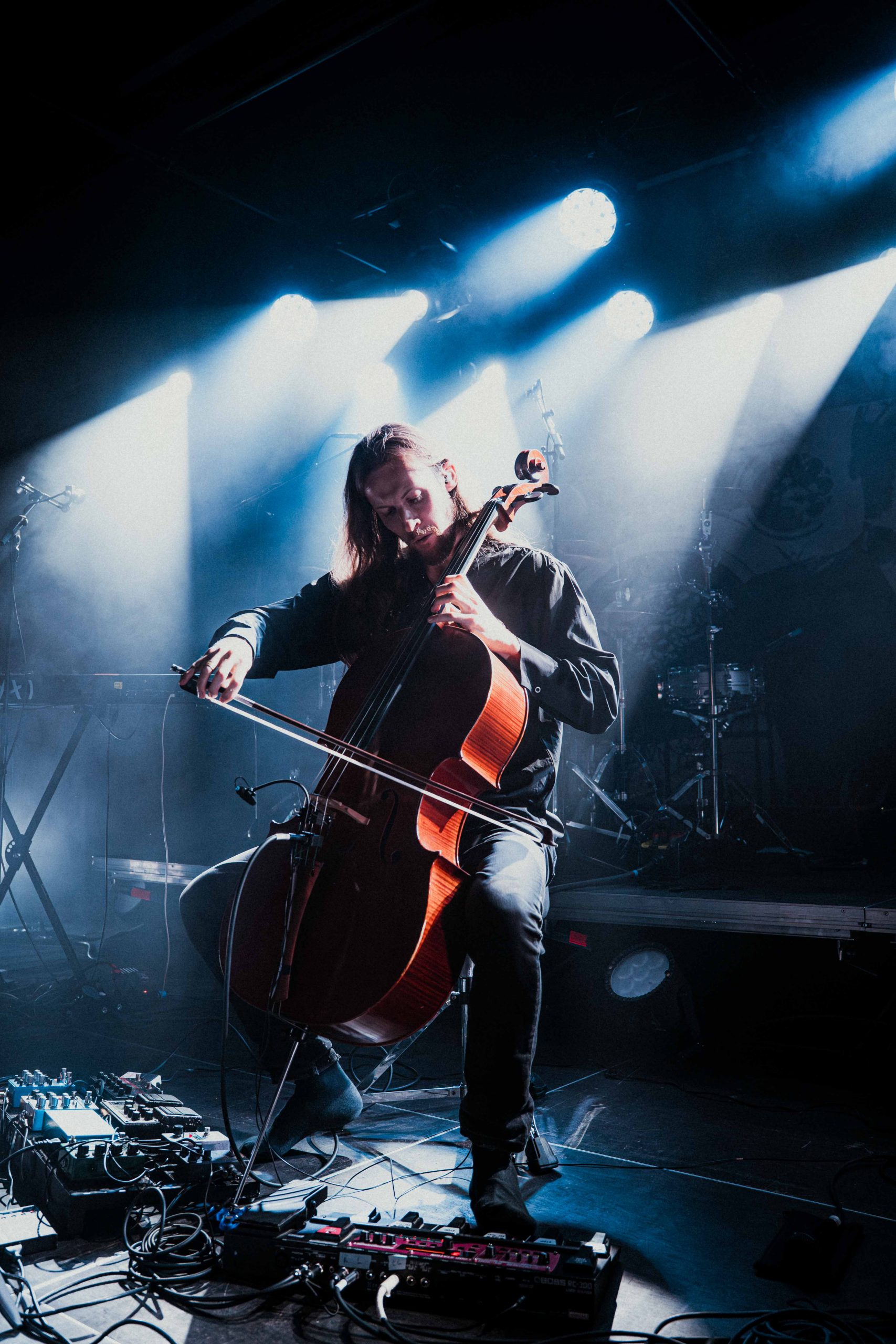
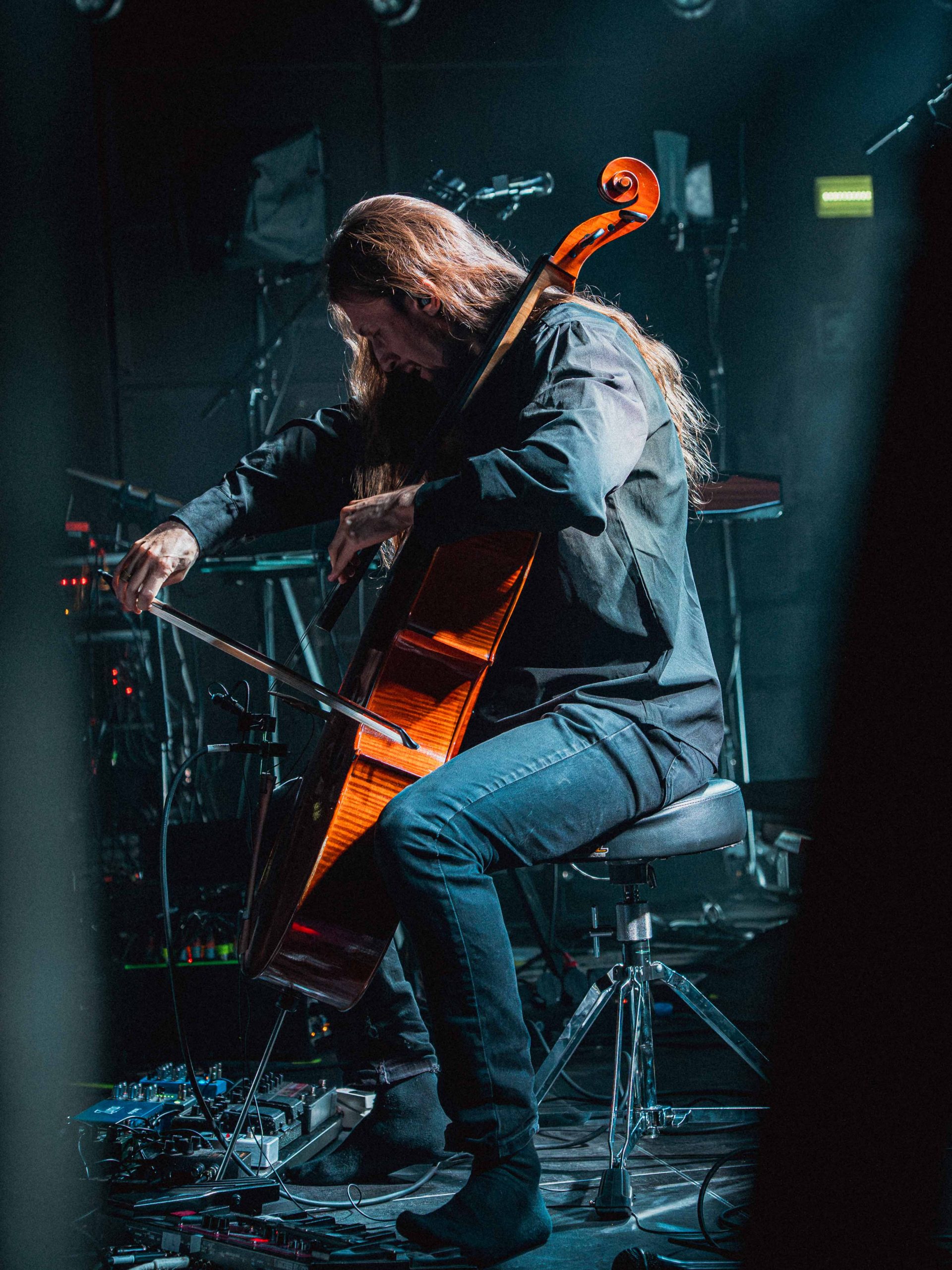
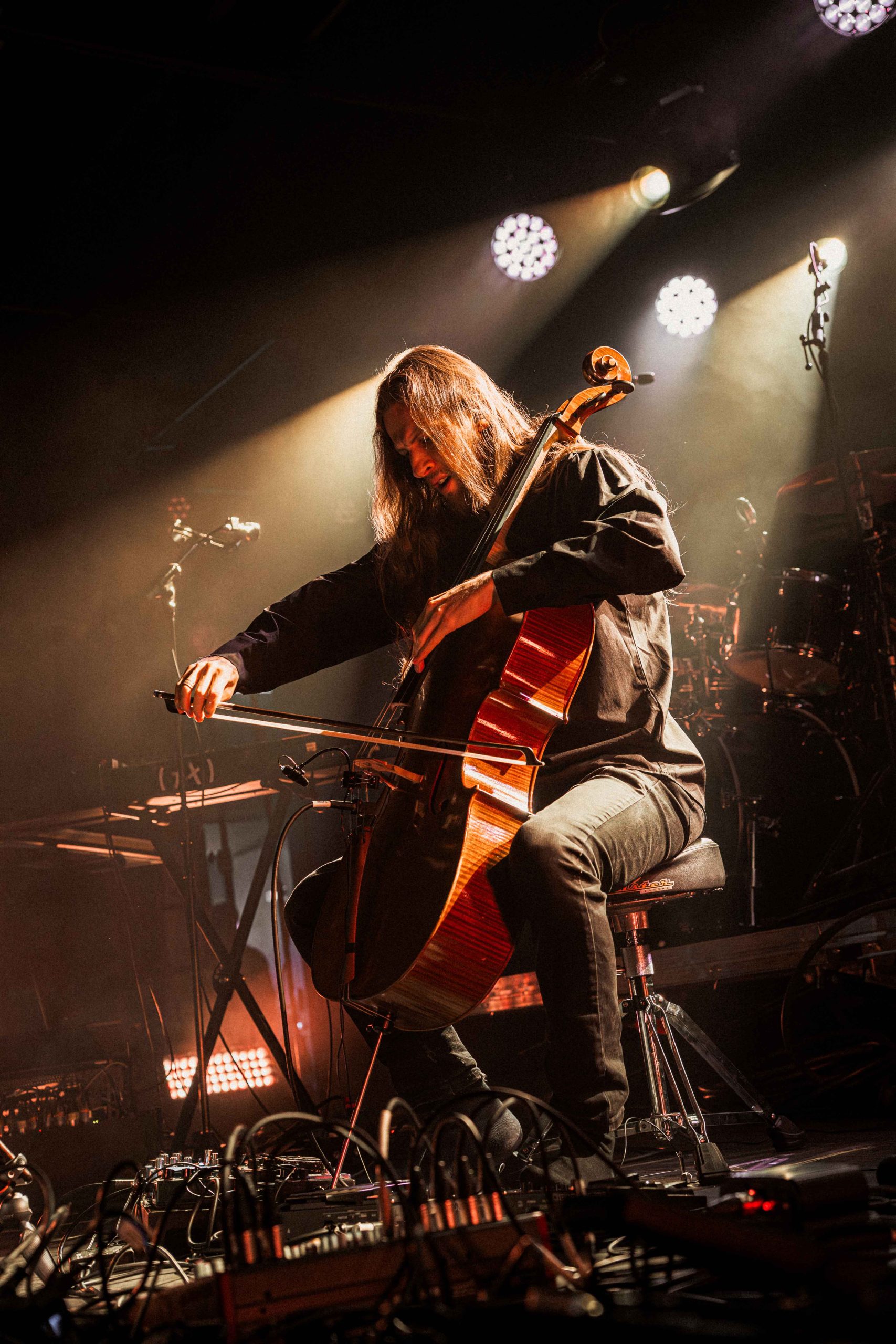
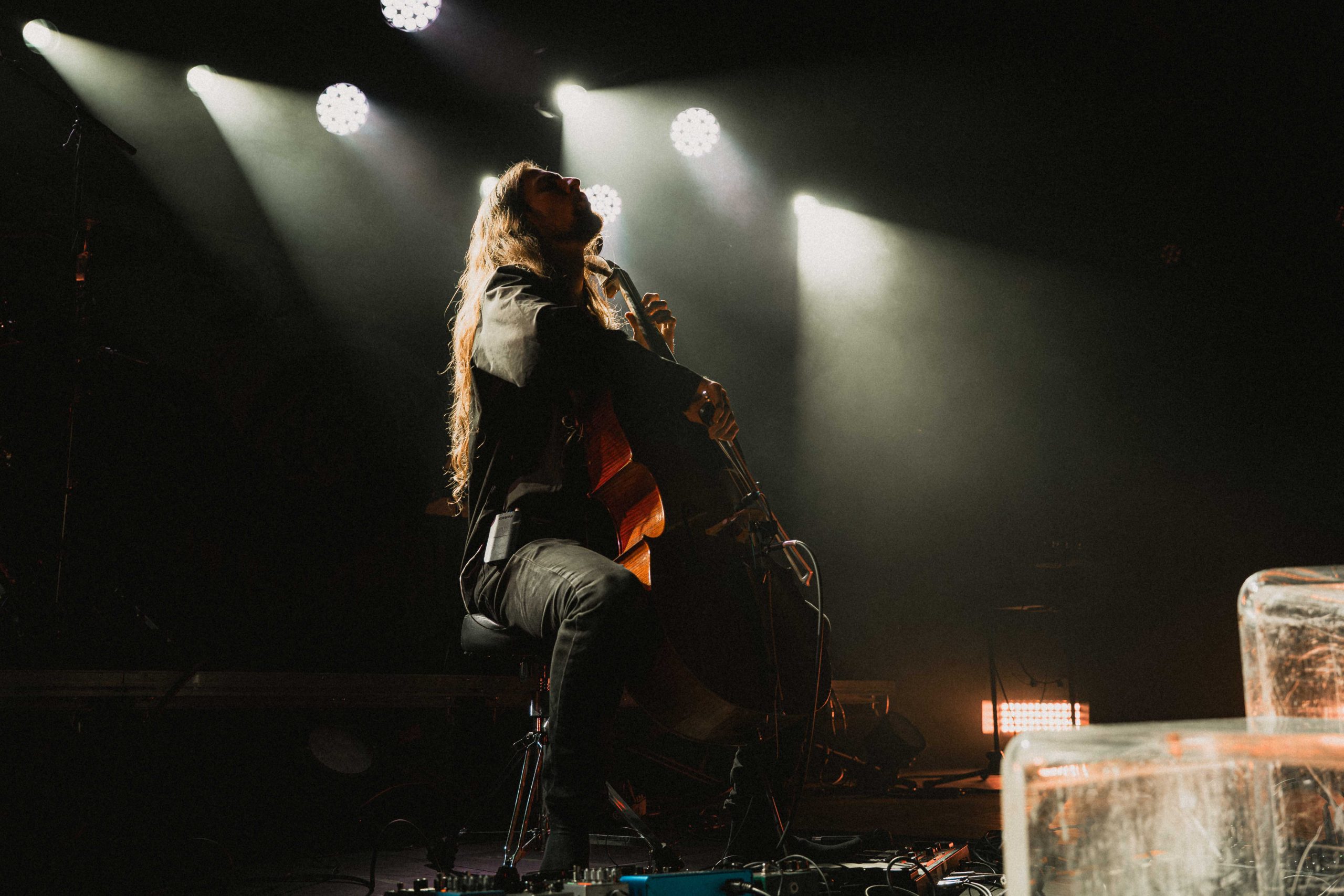
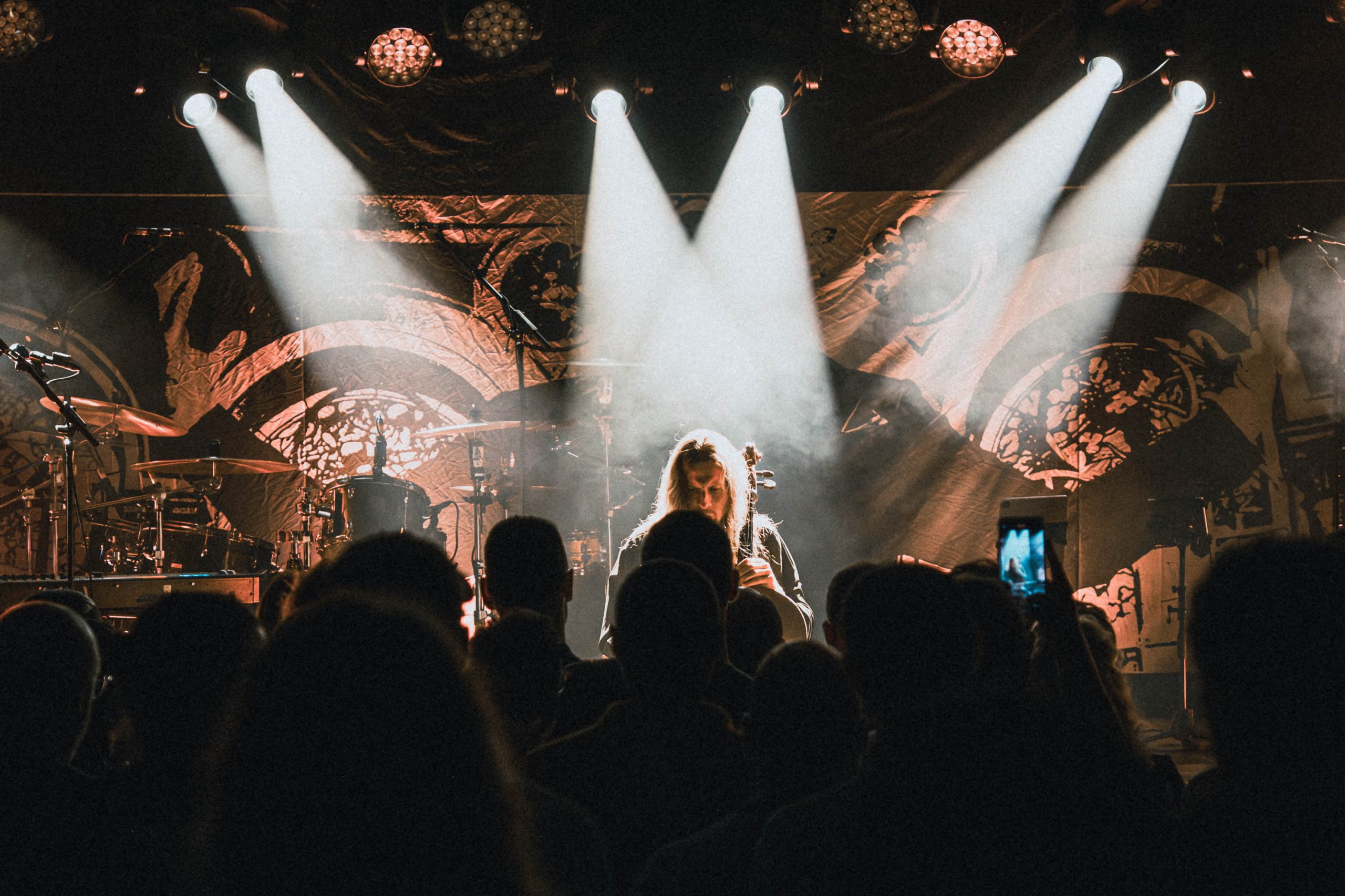
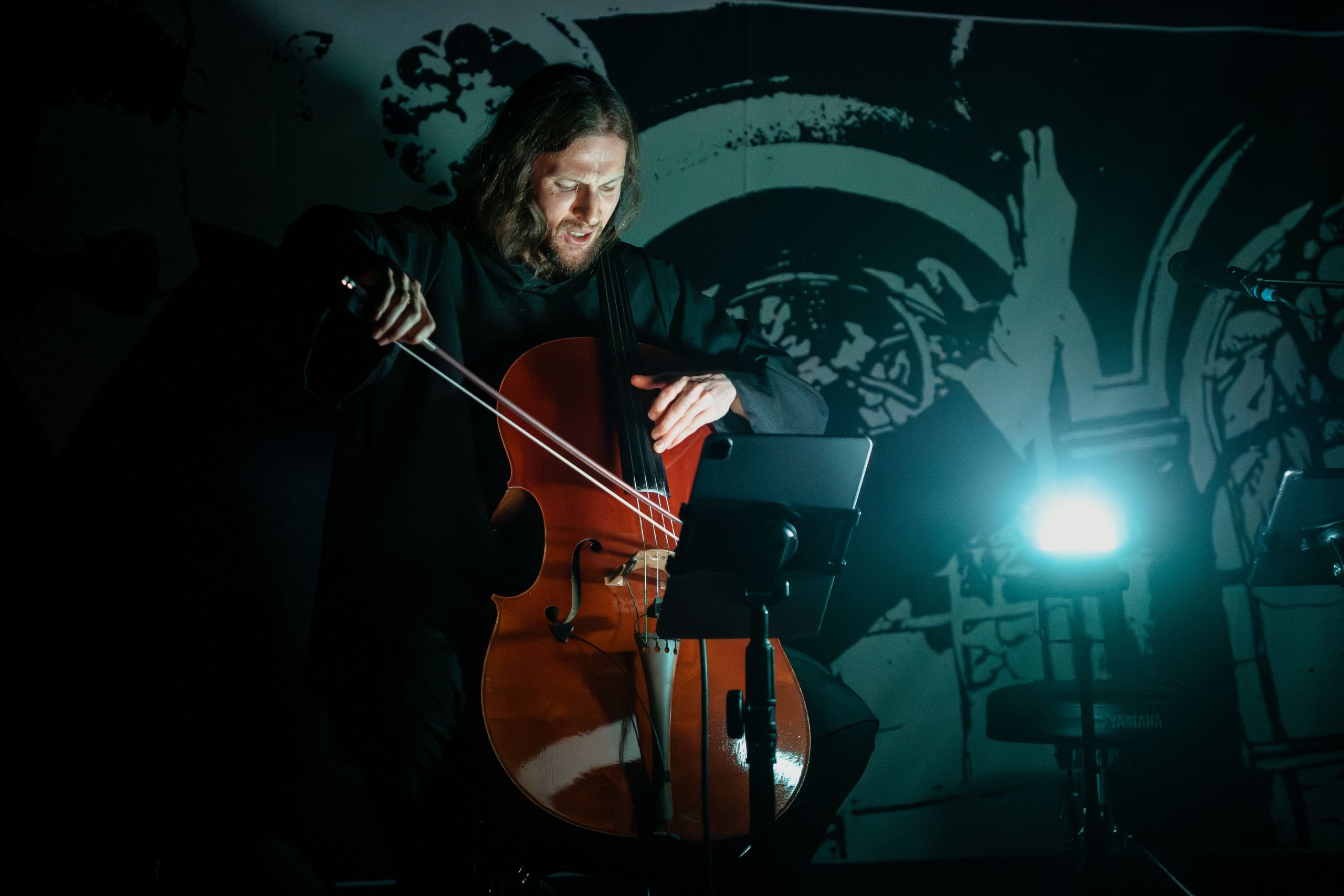
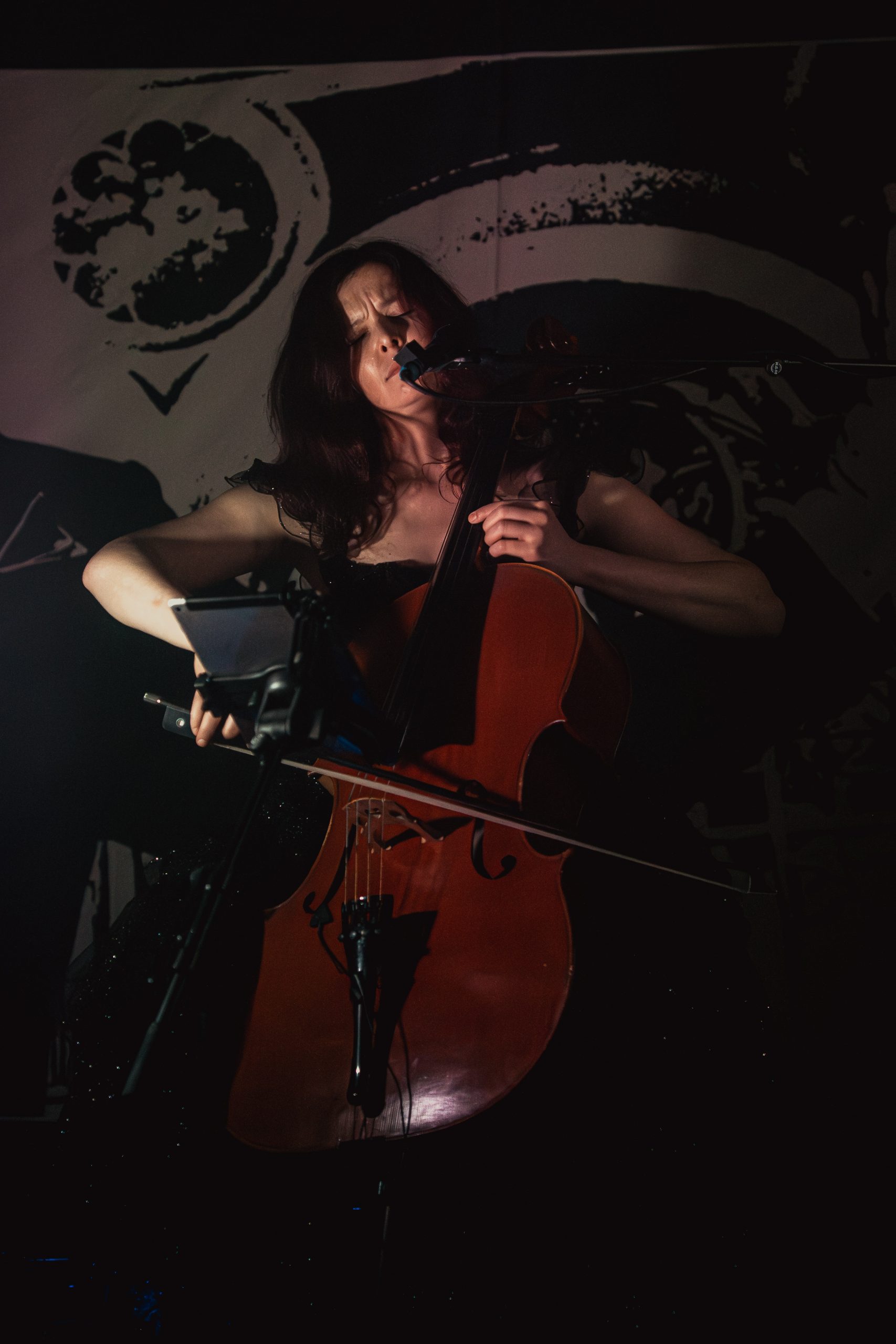
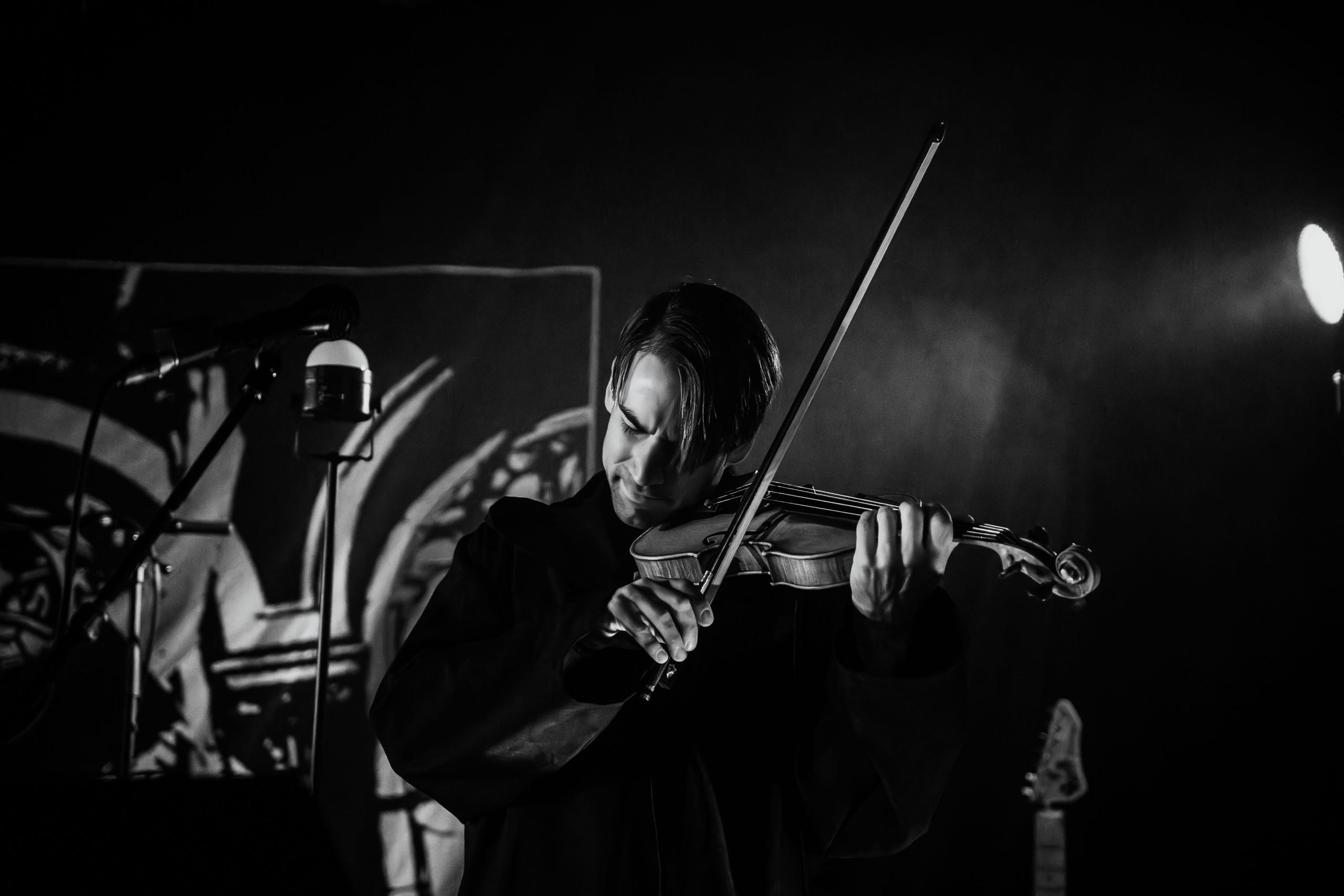
Next came Raphael Weinroth-Browne, in a very different kind of performance. Alone on stage and armed with nothing but his cello, the Canadian musician built his pieces through loops and successive layers, creating a surprisingly heavy sound from an instrument traditionally associated with classical music.
Tracks such as Reflection, Ricercare, Speed of Light and Ophidian demonstrated precisely his ability to transform the cello into something resembling an entire band in itself. And Raphael’s presence would not be limited to his own set: later in the evening, he would return to the stage to join Einar Solberg’s band. The audience reacted enthusiastically to the performance.
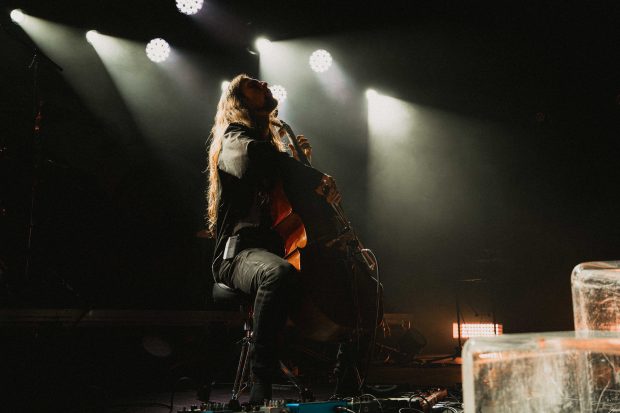
Raphael Weinroth-Browne (Photo: Miguel Solans | @metalupyourself)
Royal Sorrow: Heaviness, Electronics and a New Single
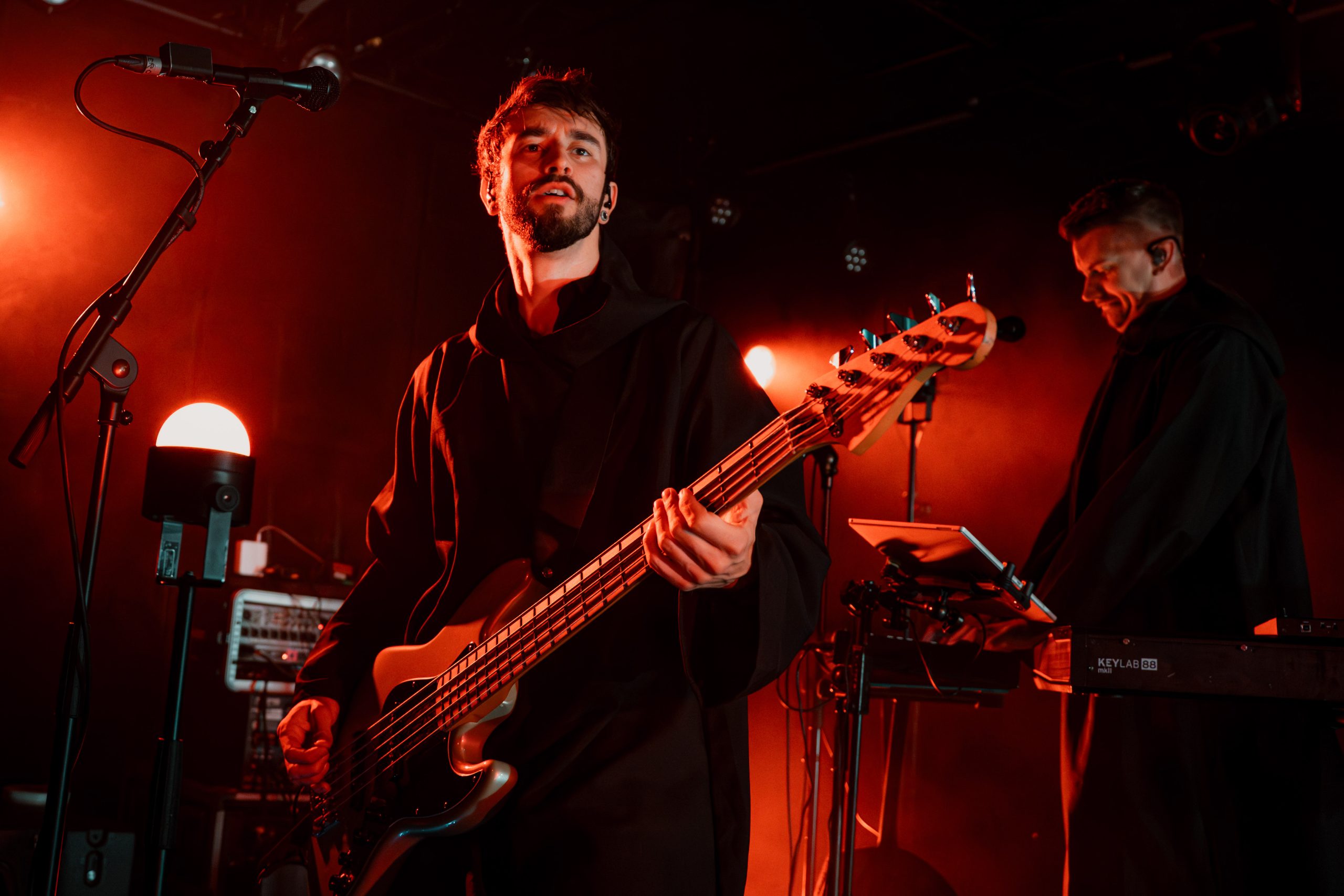
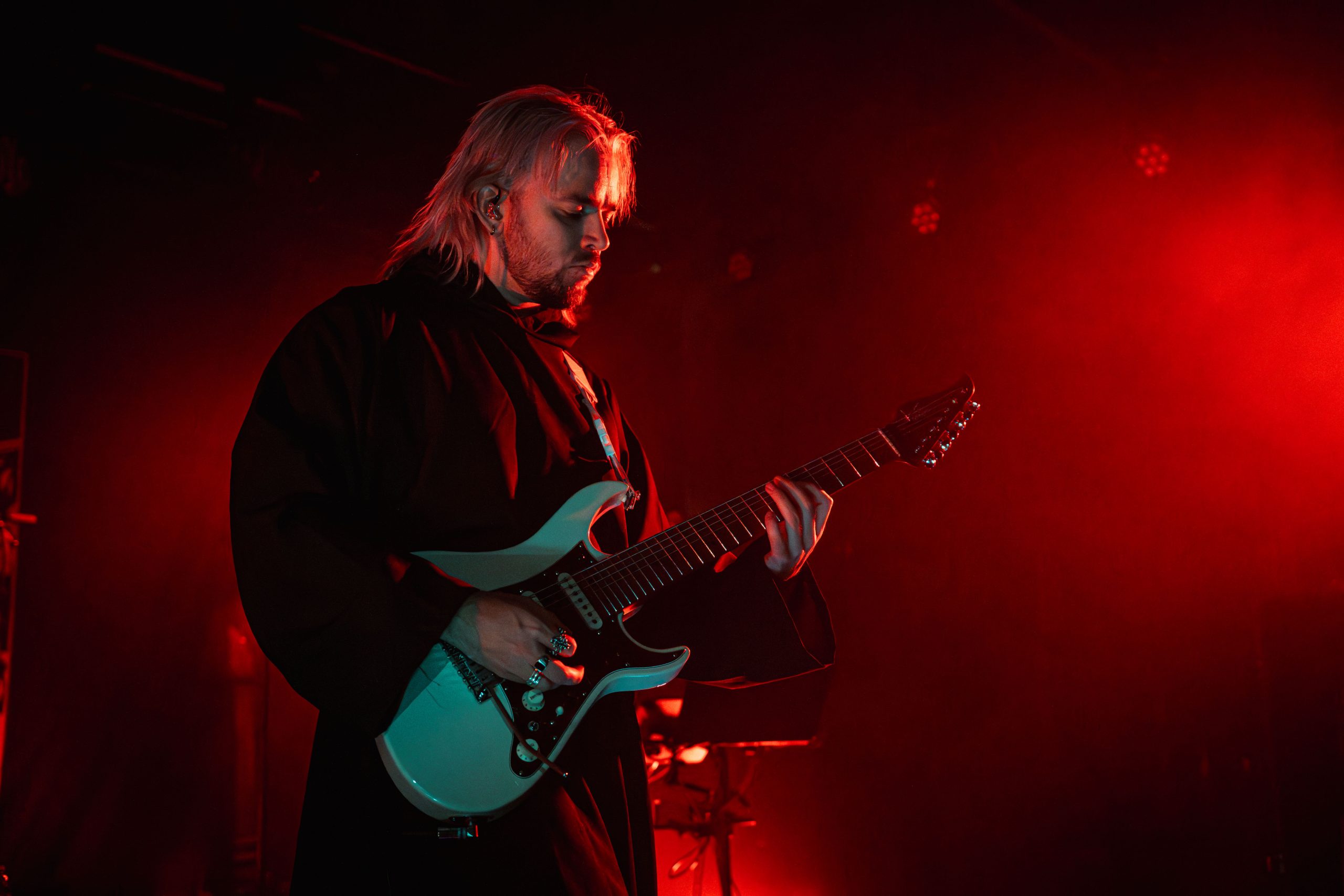
Before the headliner, Finnish band Royal Sorrow brought a more direct approach, combining progressive metal with electronic elements and highly accessible melodies. Their set included Evergreen, Release Your Shadow, Bloodflower, Give In, Covert and Metrograve, with particular attention given to Covert, the band’s latest single and one of the highlights of their performance.
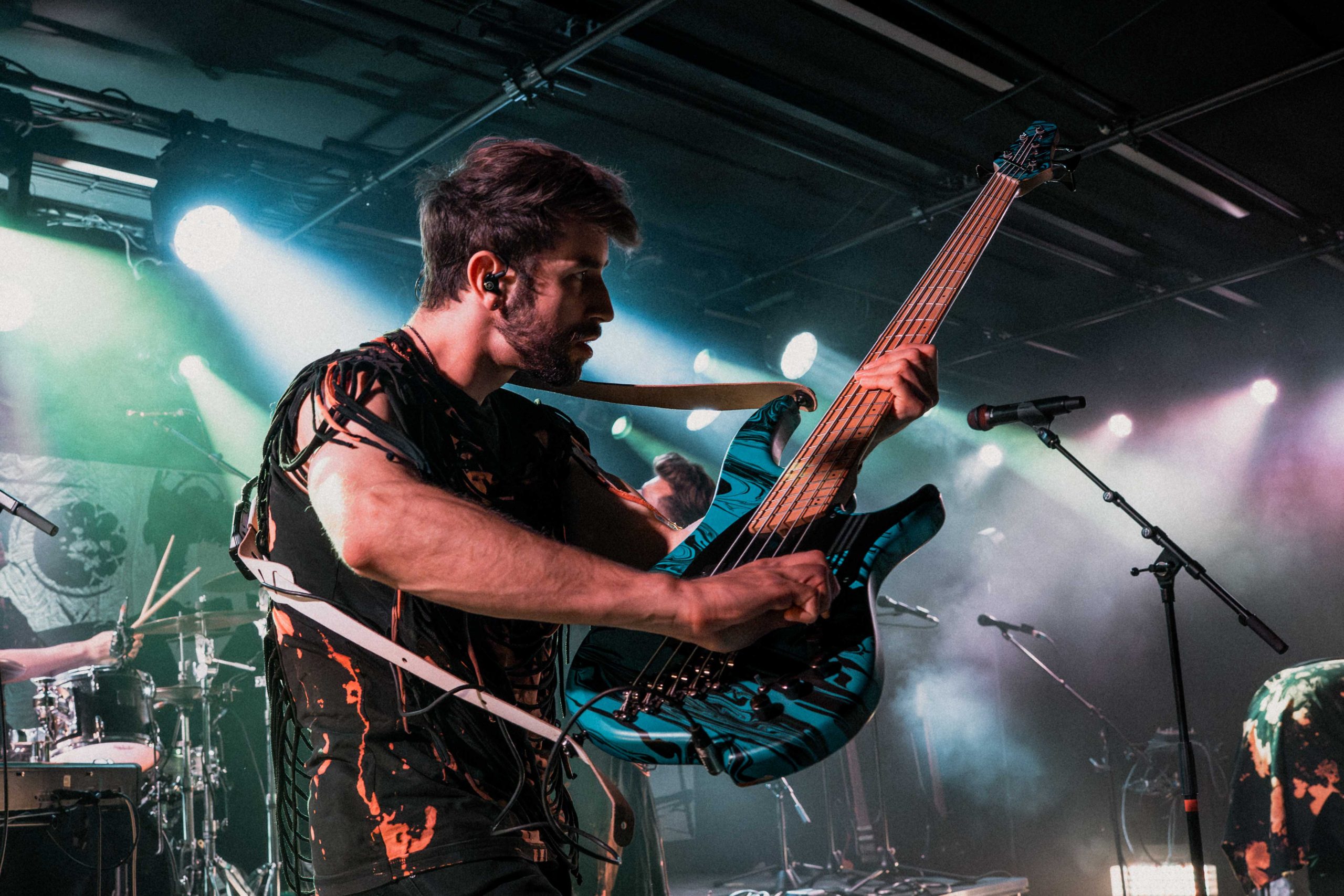
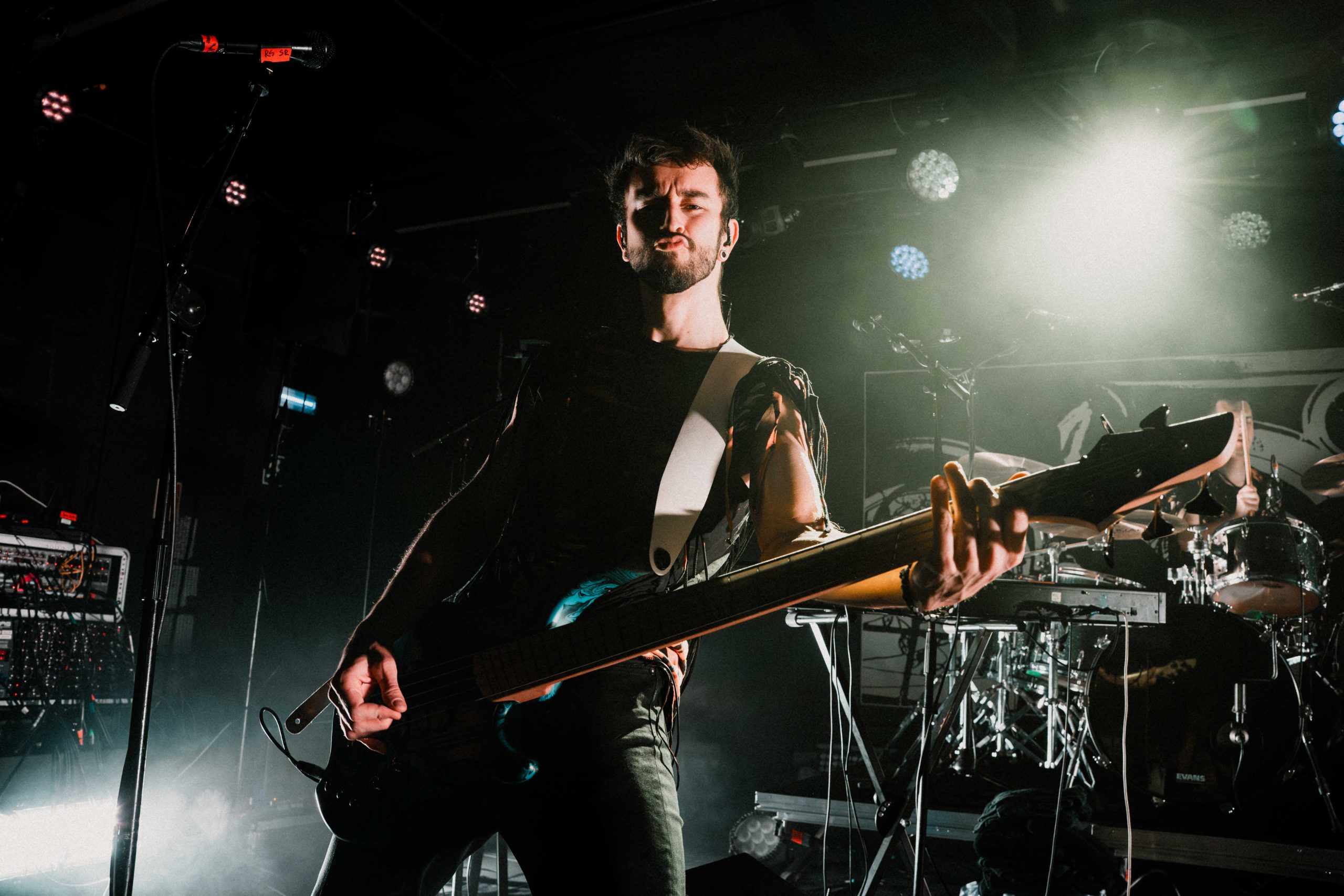
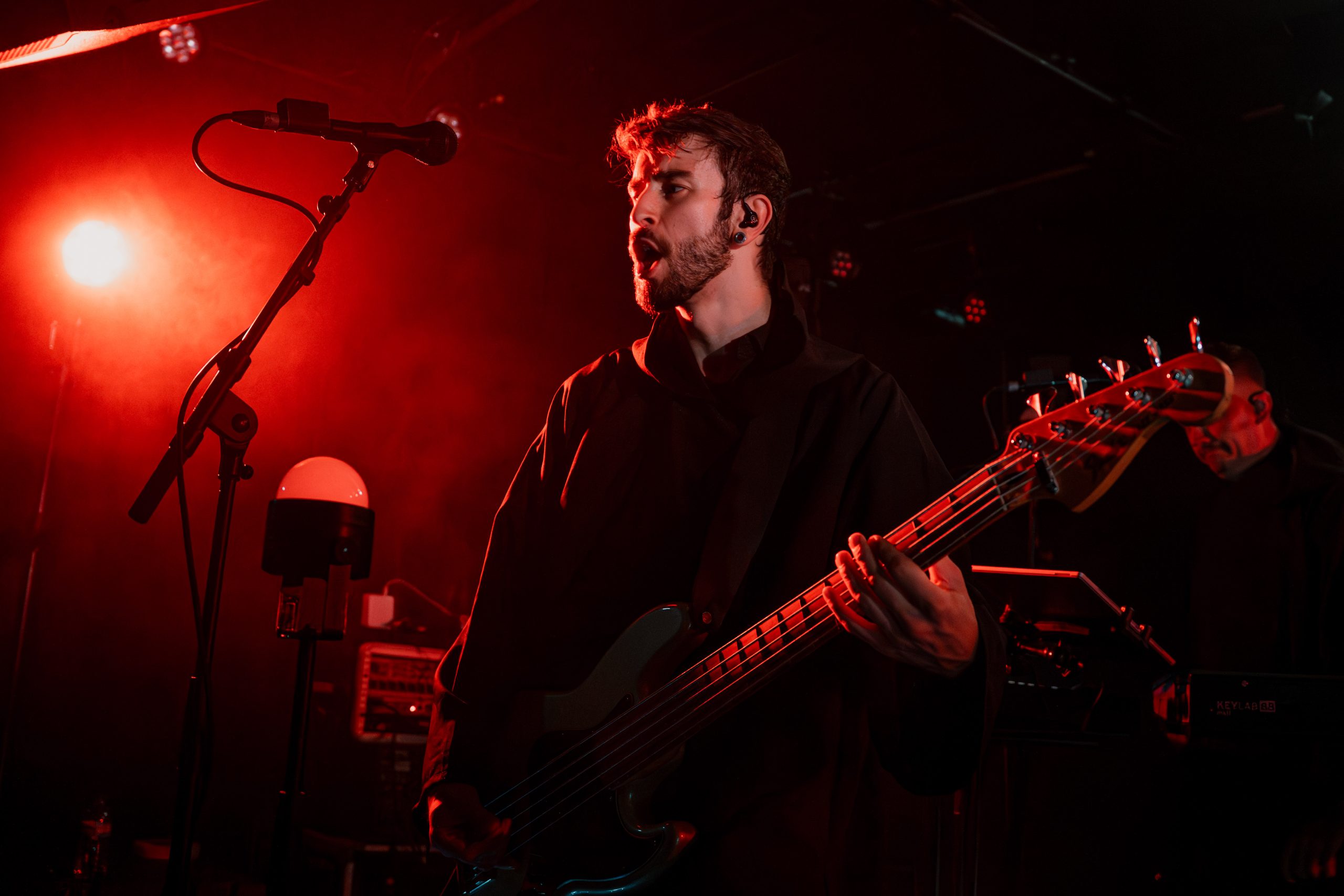
There was also a small detail in the lineup that would become relevant later: Eero Maijala, Royal Sorrow’s bassist, would return to the stage to join Einar Solberg, taking on a true double-duty role throughout the night.
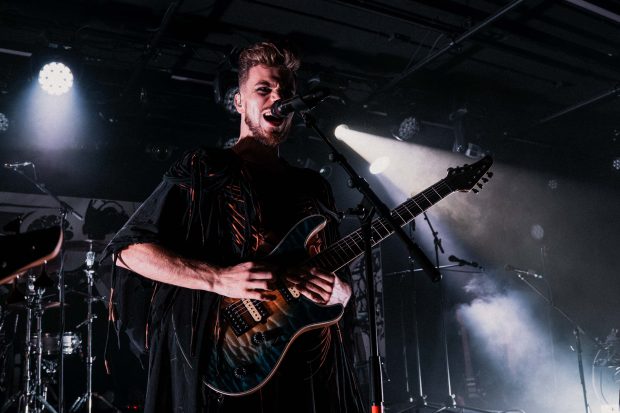
Royal Sorrow (Photo: Miguel Solans | @metalupyourself)
Einar Solberg: A Cinematic and Deeply Personal Journey
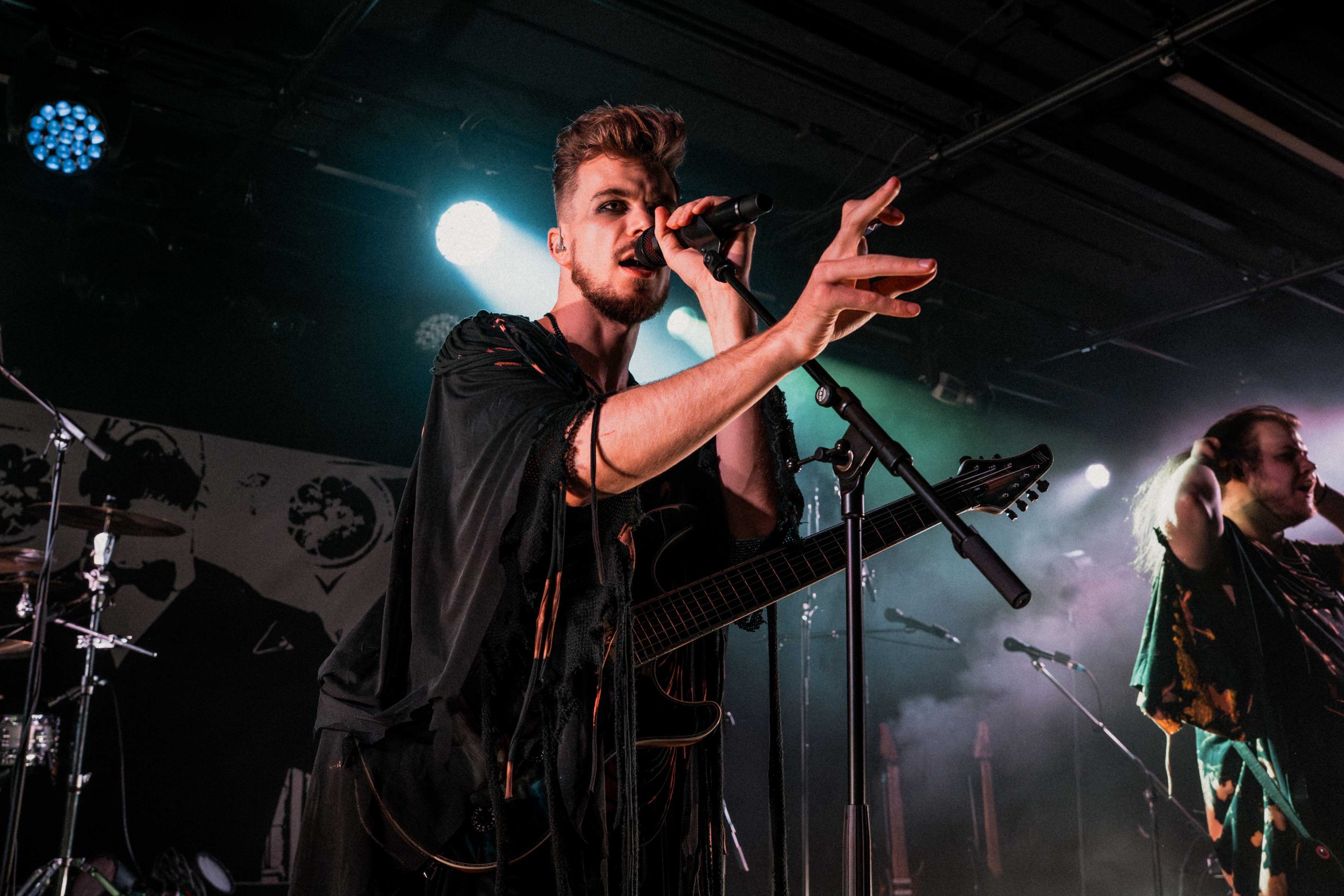
Finally, the moment many people in the crowd had been waiting for arrived. Einar Solberg took the stage to close the night, accompanied by a lineup that helped turn the transition of Vox Occulta from record to live performance into a particularly rich experience.
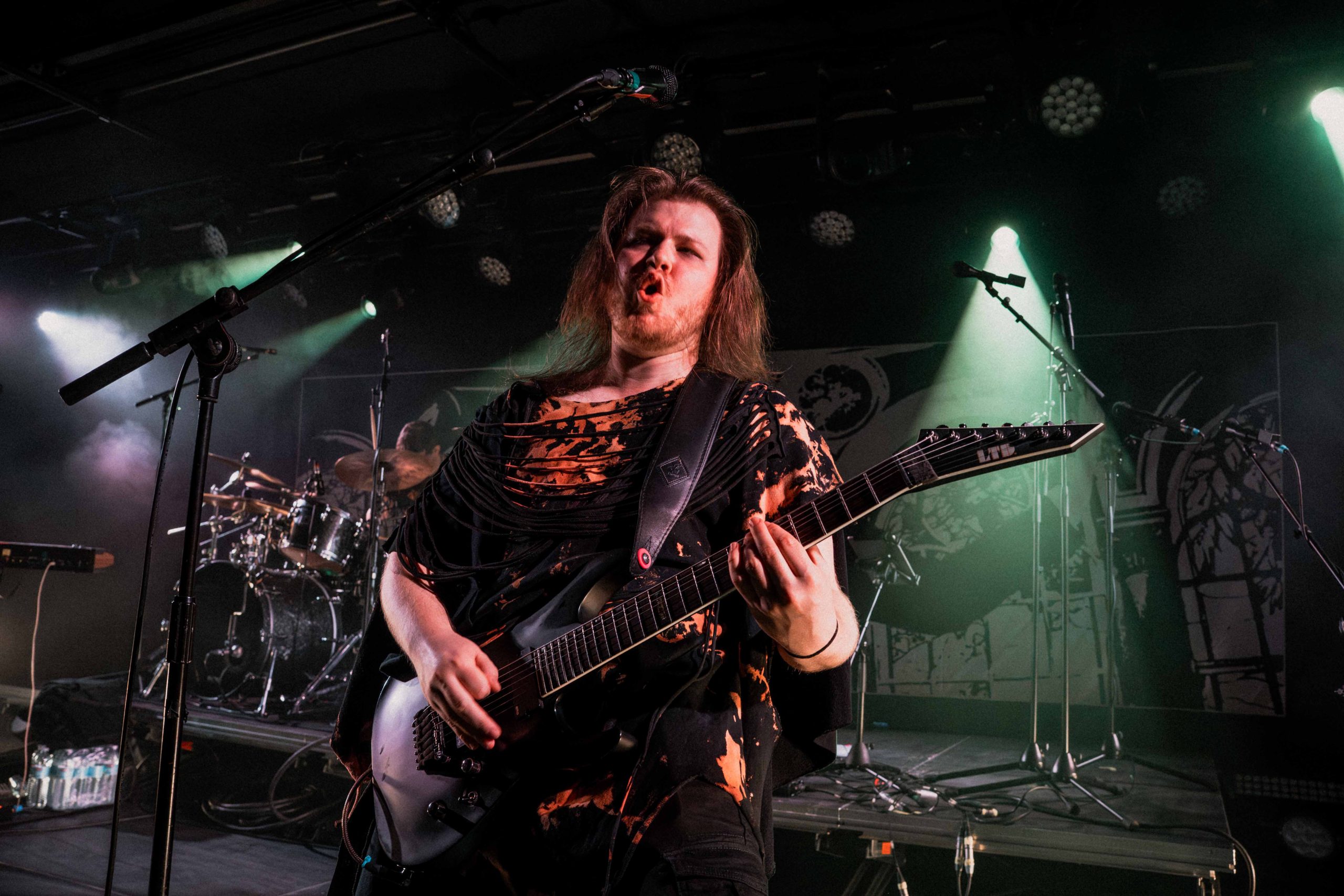
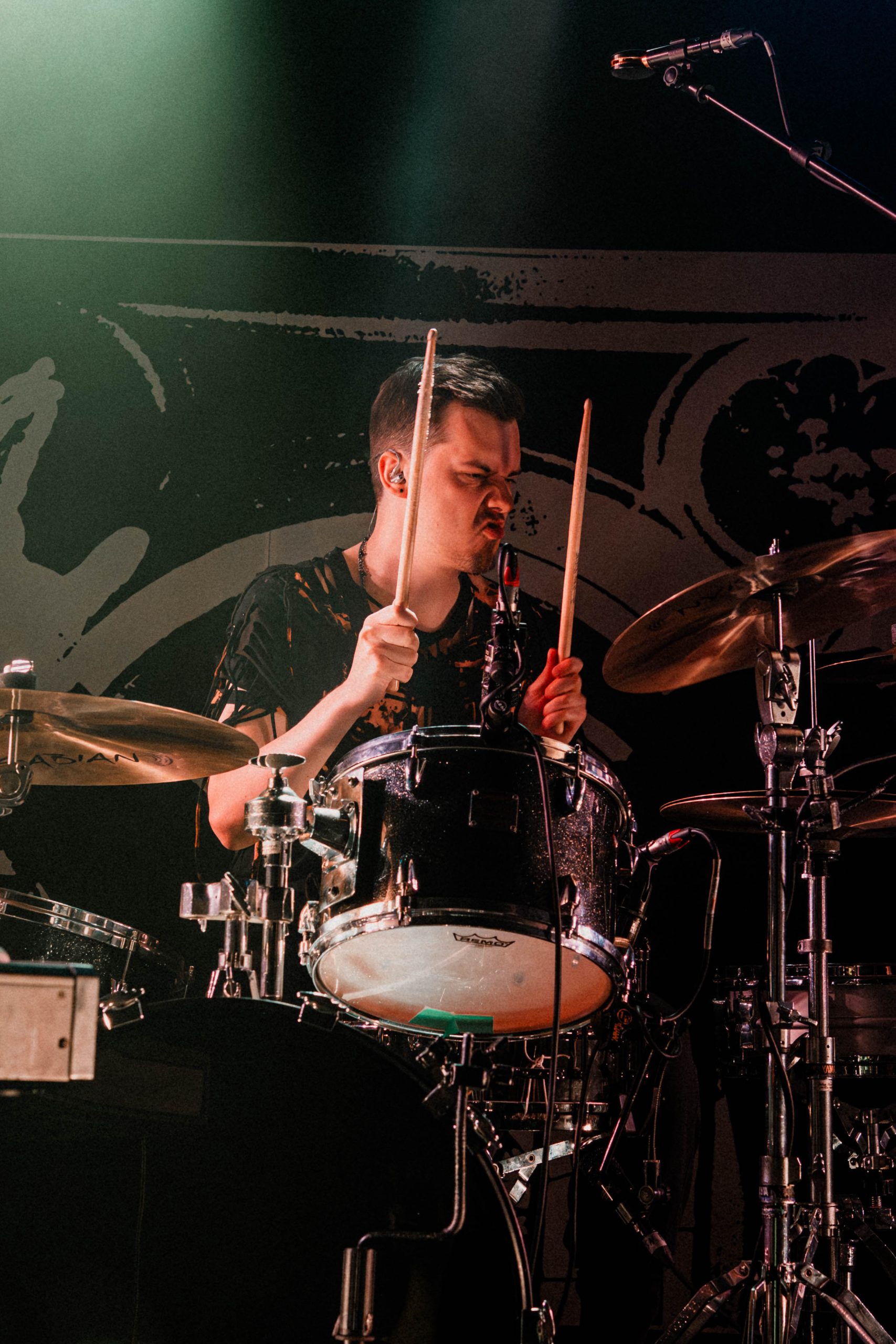
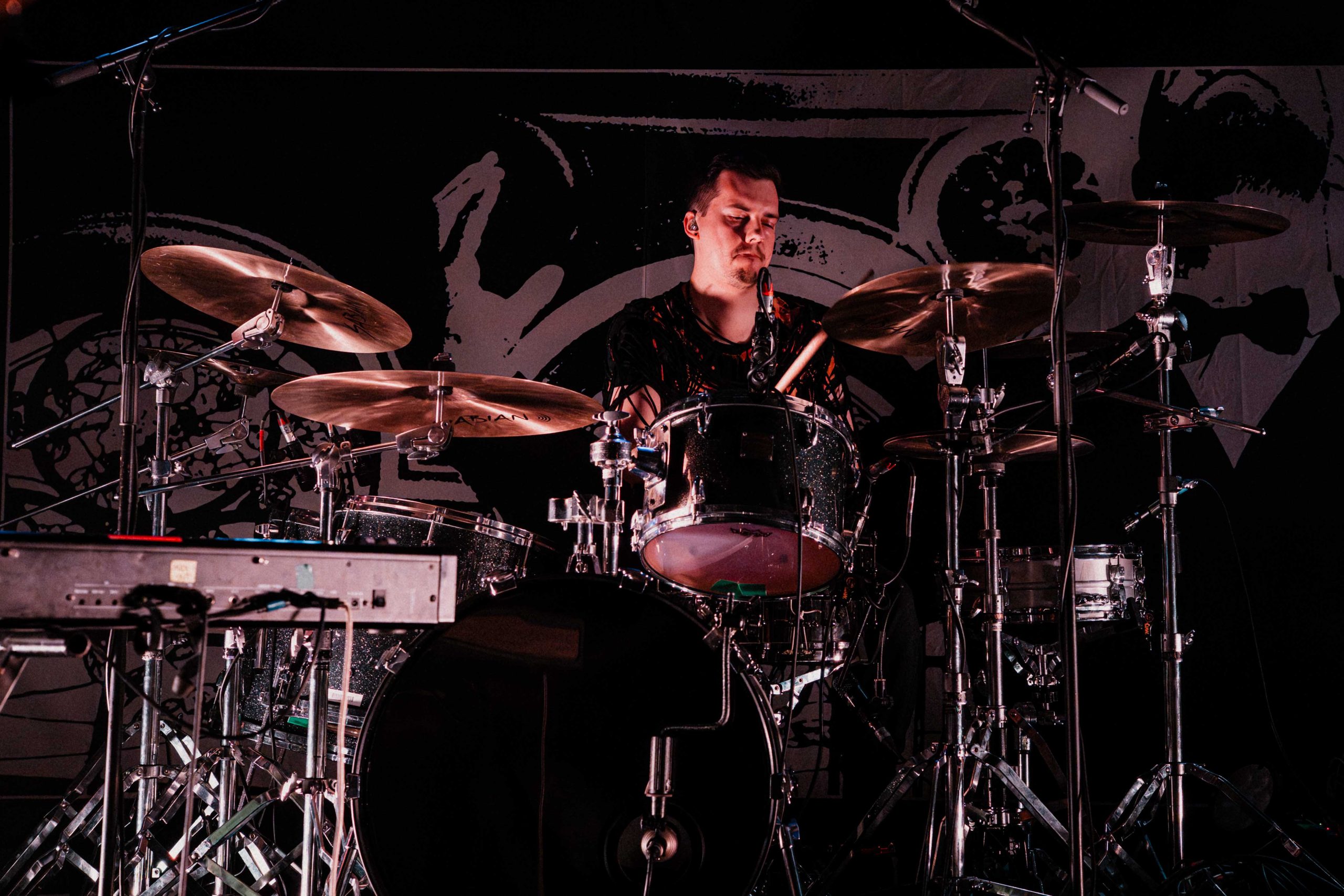
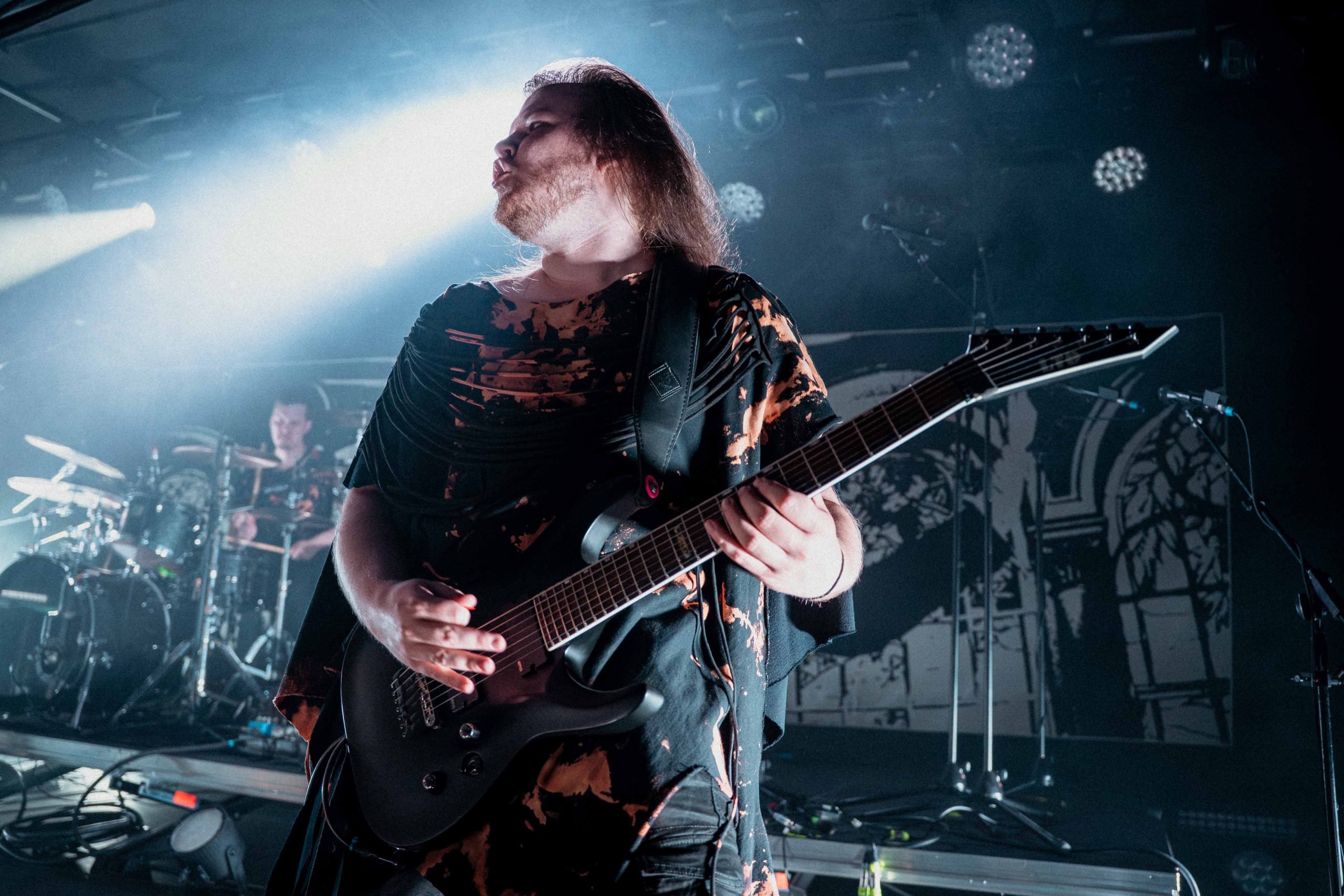
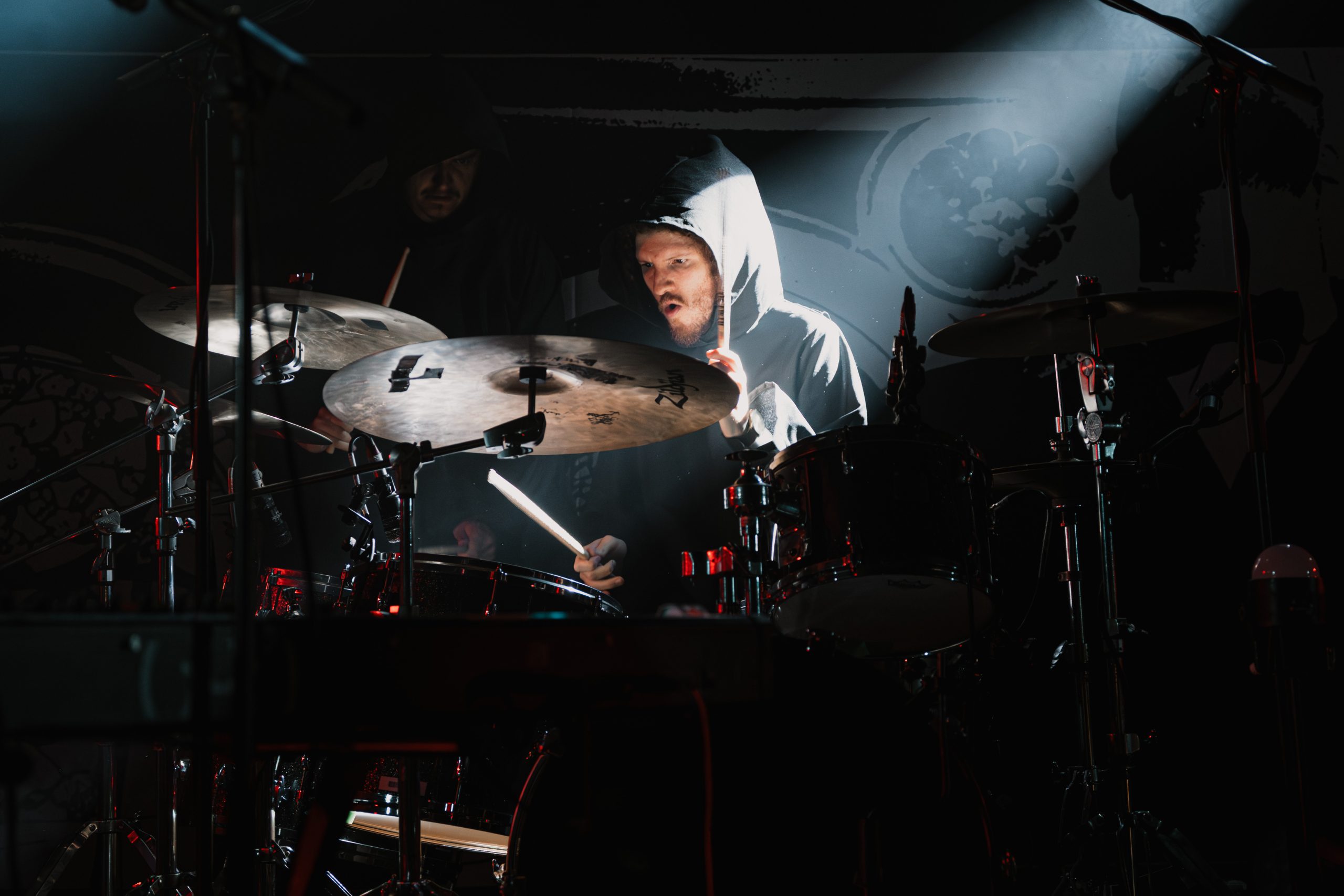
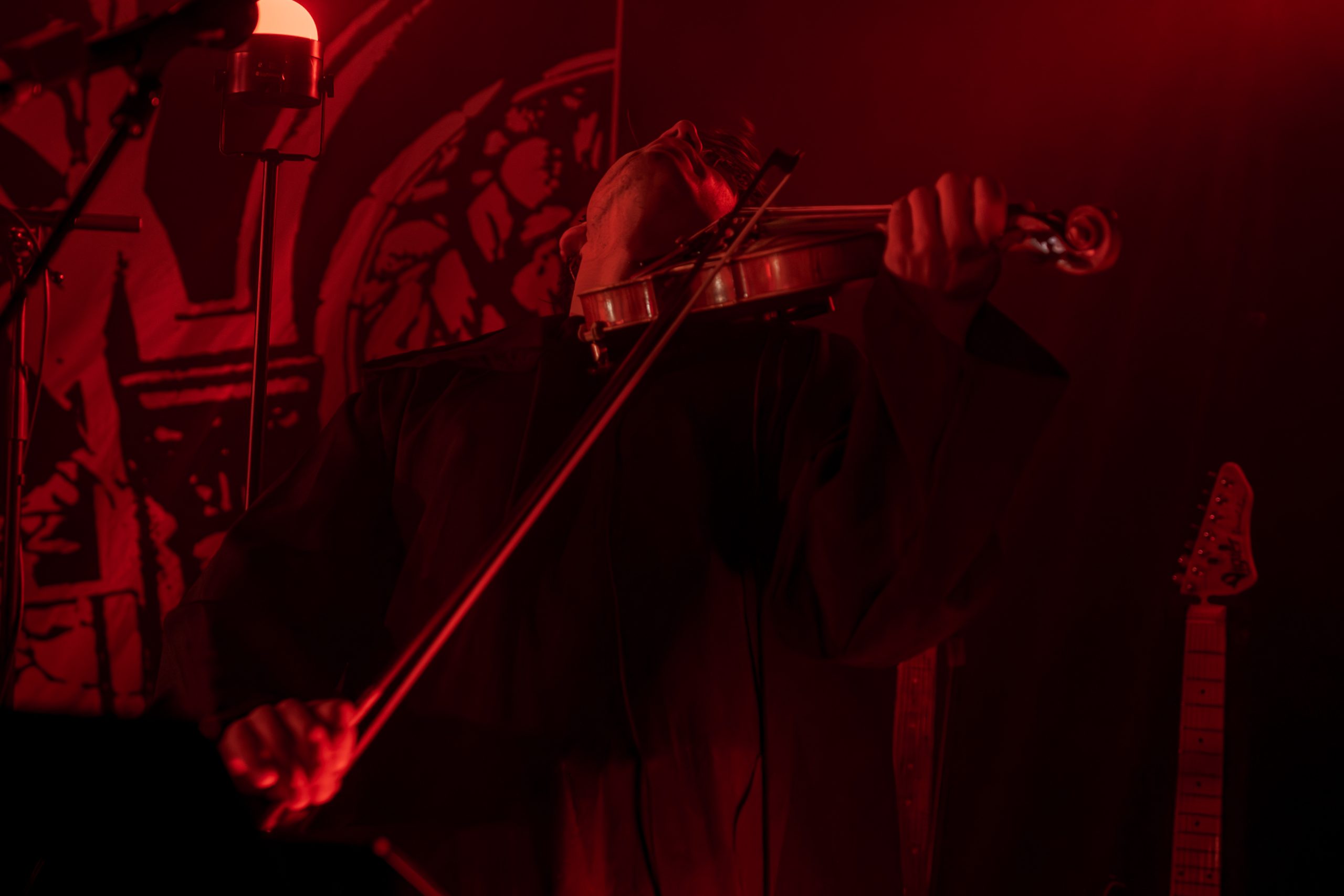
Joining Einar were Chris Baum on violin, Maya Fridman and Raphael Weinroth-Browne on cello, Eero Maijala on bass, Quentin Godet, Harrison White on keyboards and Hrafnkell Örn Guðjónsson on drums. The presence of the string players, in particular, made a clear difference: rather than relying solely on backing tracks, the orchestral arrangements gained a physical and living presence on stage.
The choice proved particularly effective. Vox Occulta is a work of considerable cinematic scale and, presented in this way, the orchestral arrangements ceased to be merely another layer of production and became an integral part of the live performance.
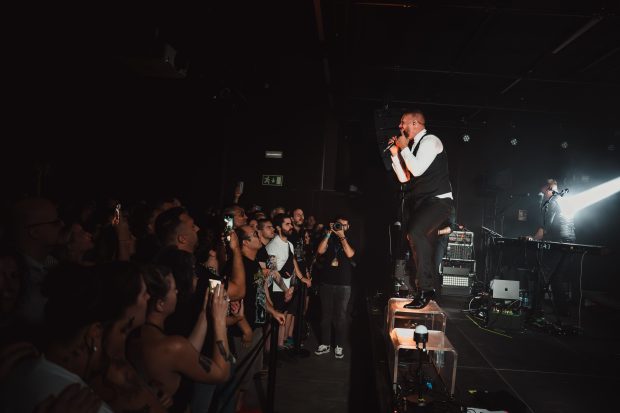
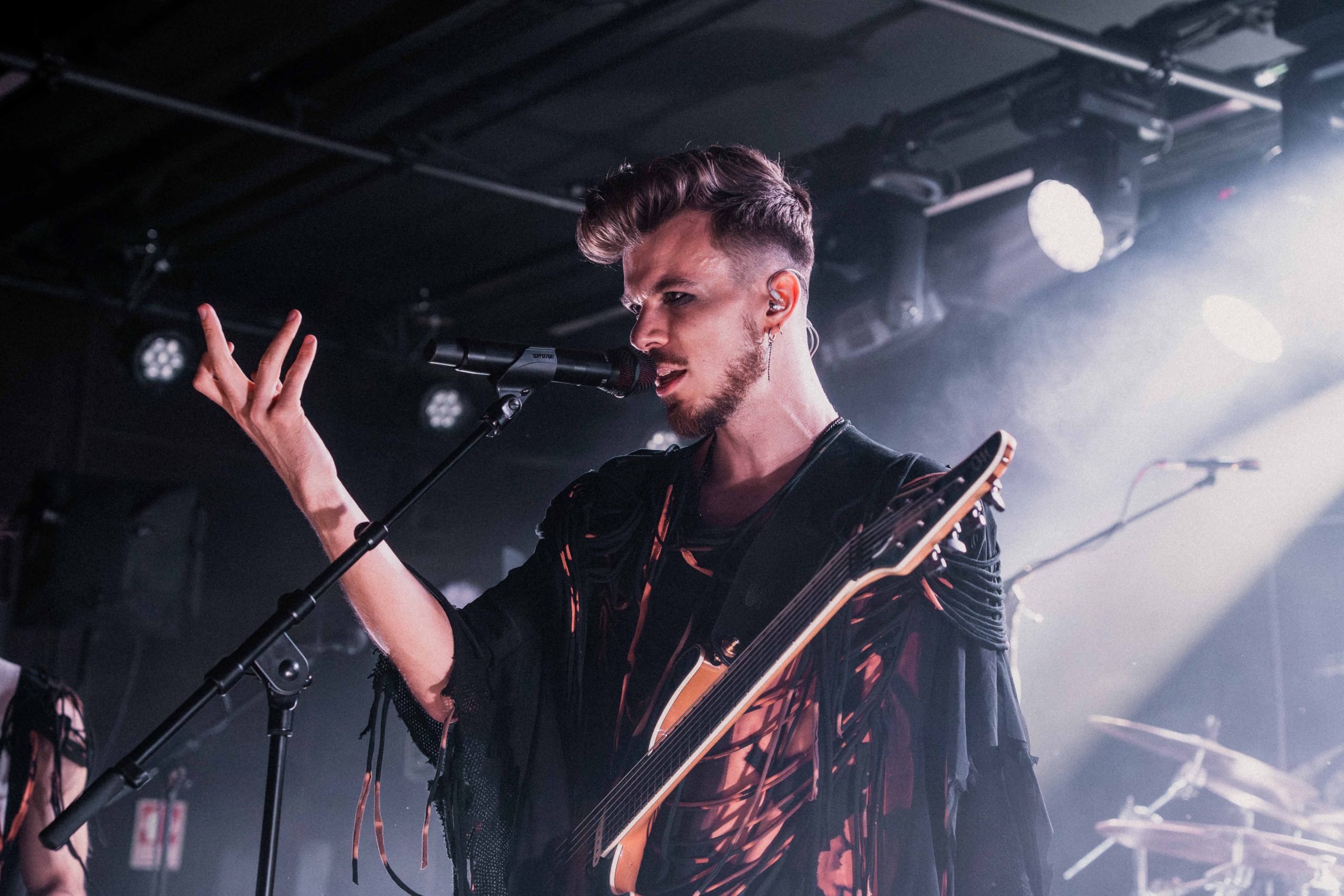
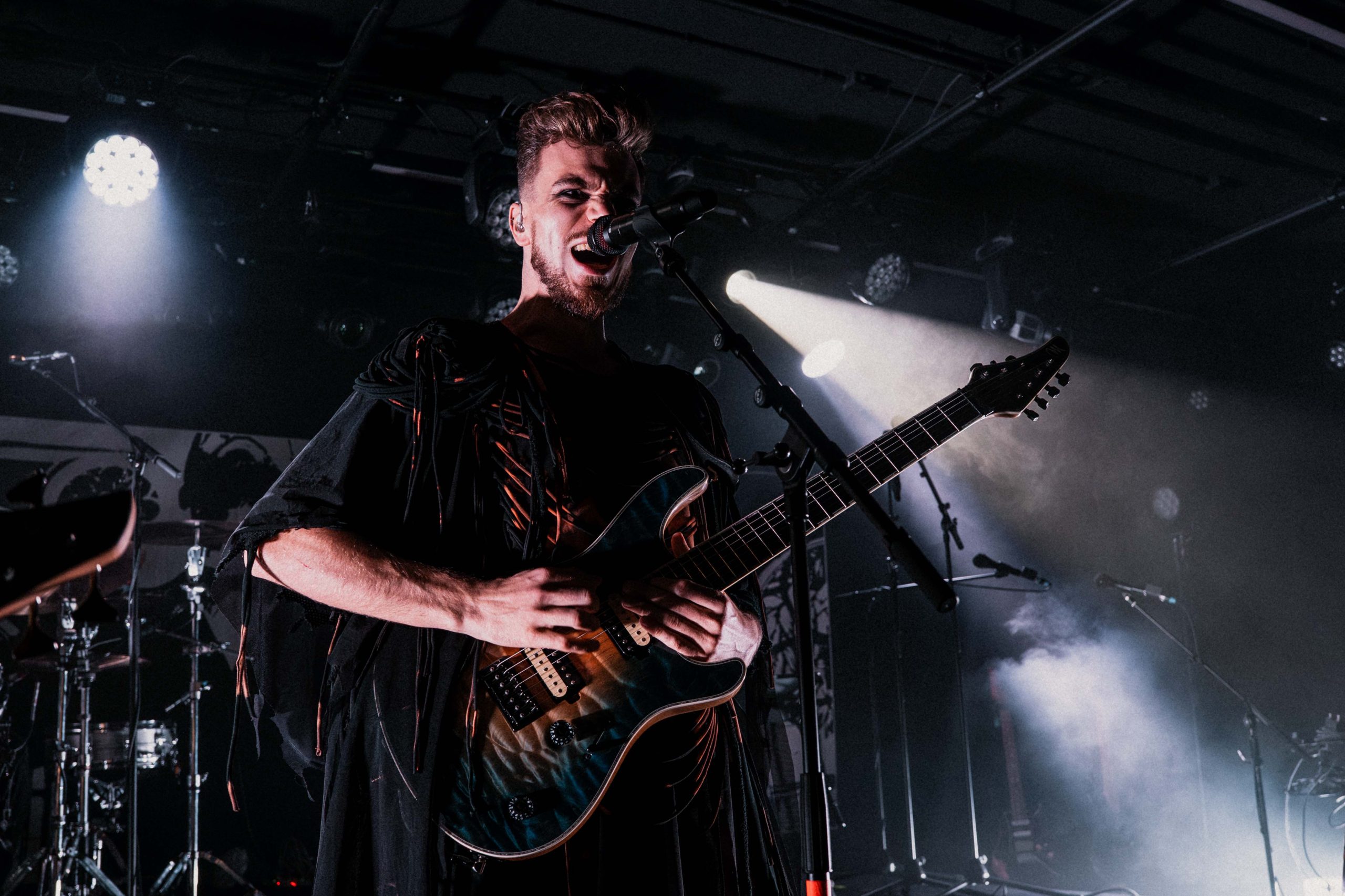
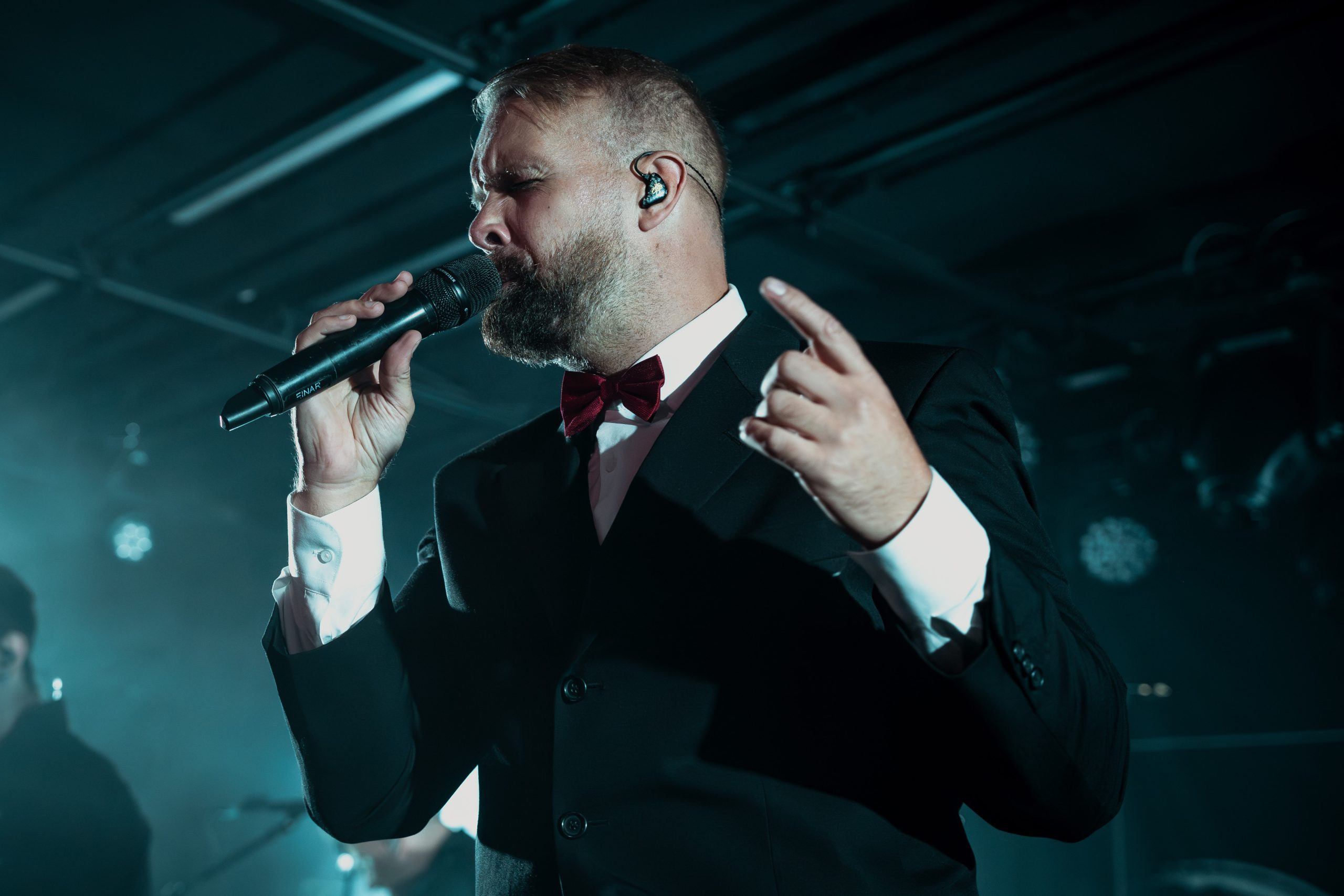
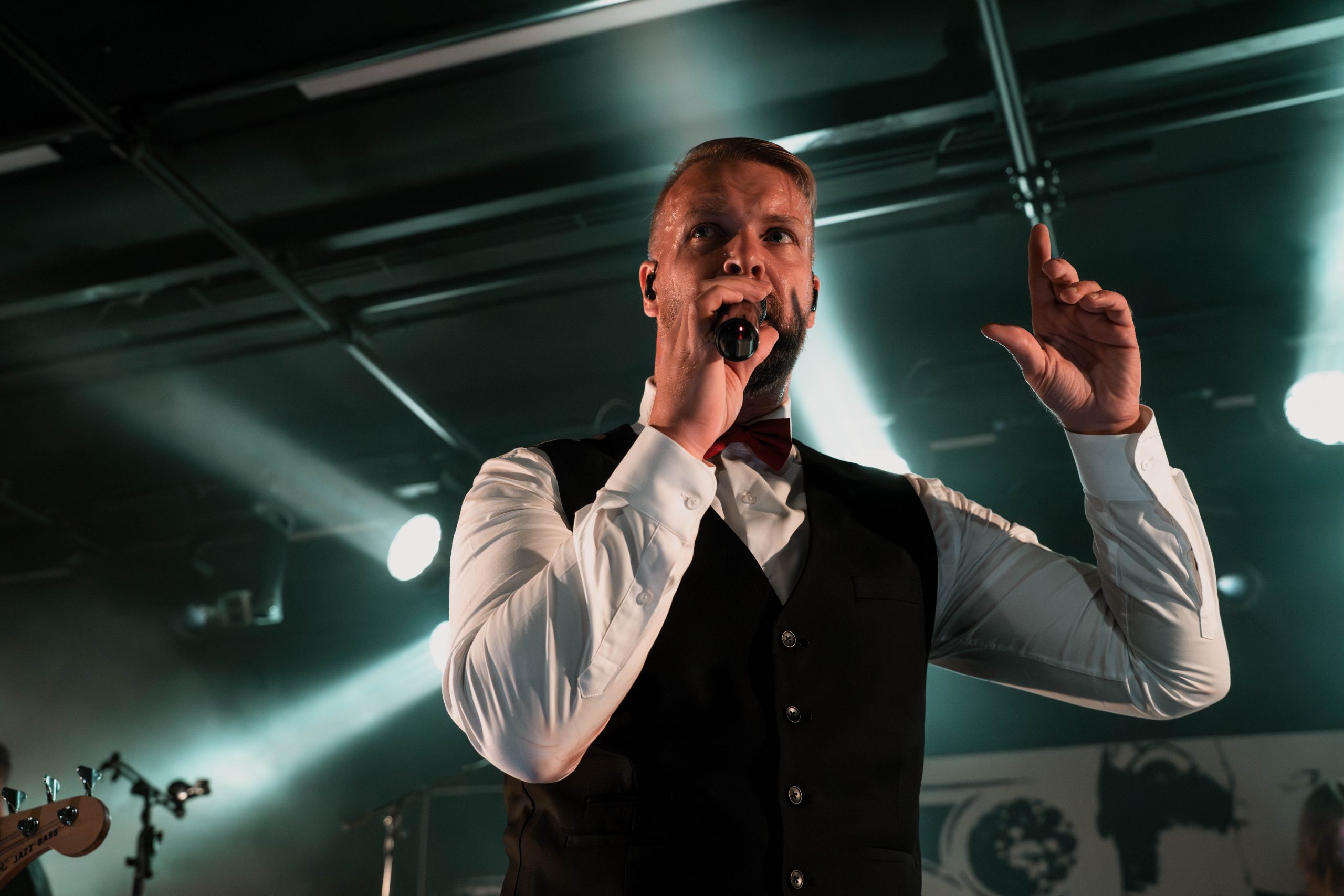
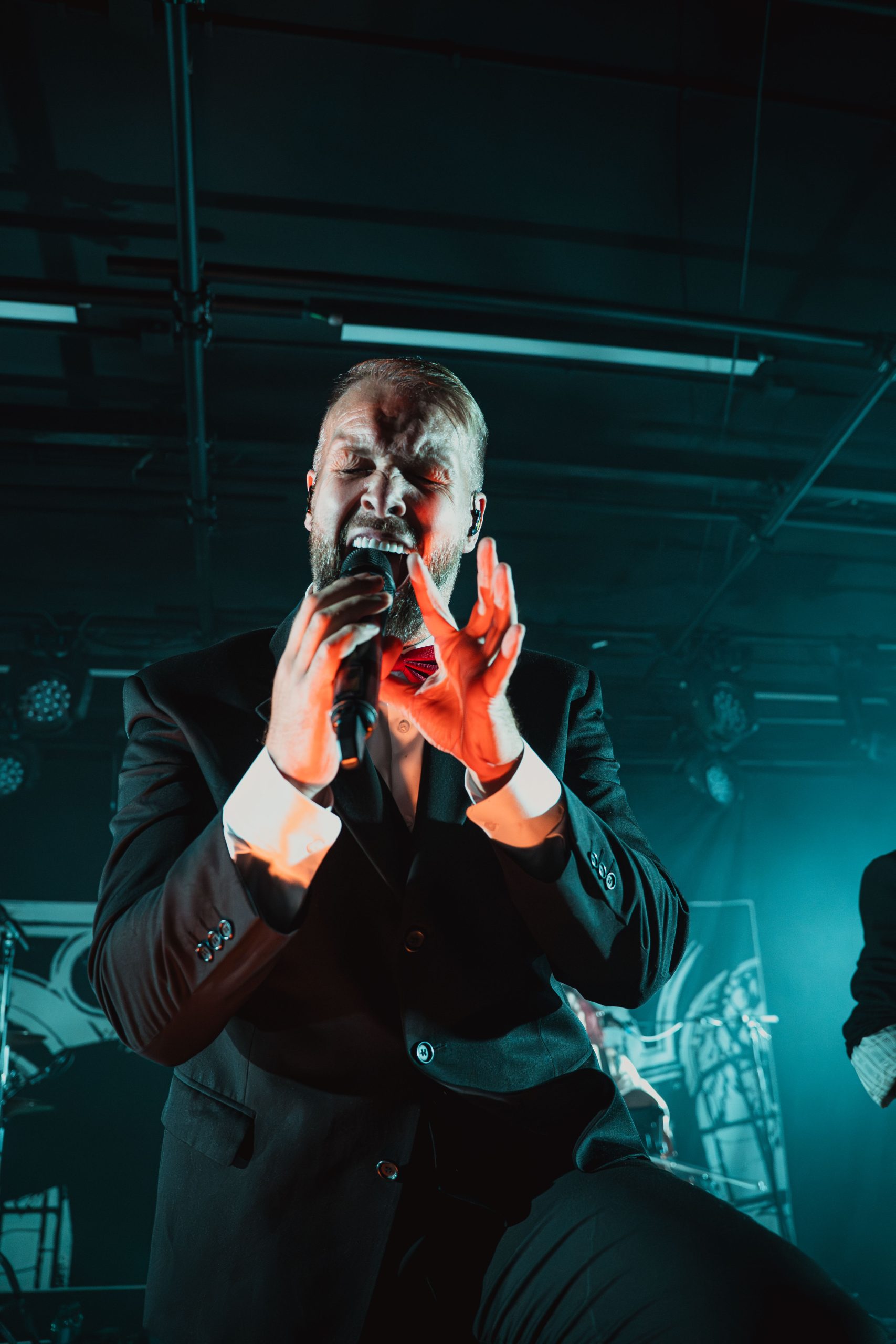
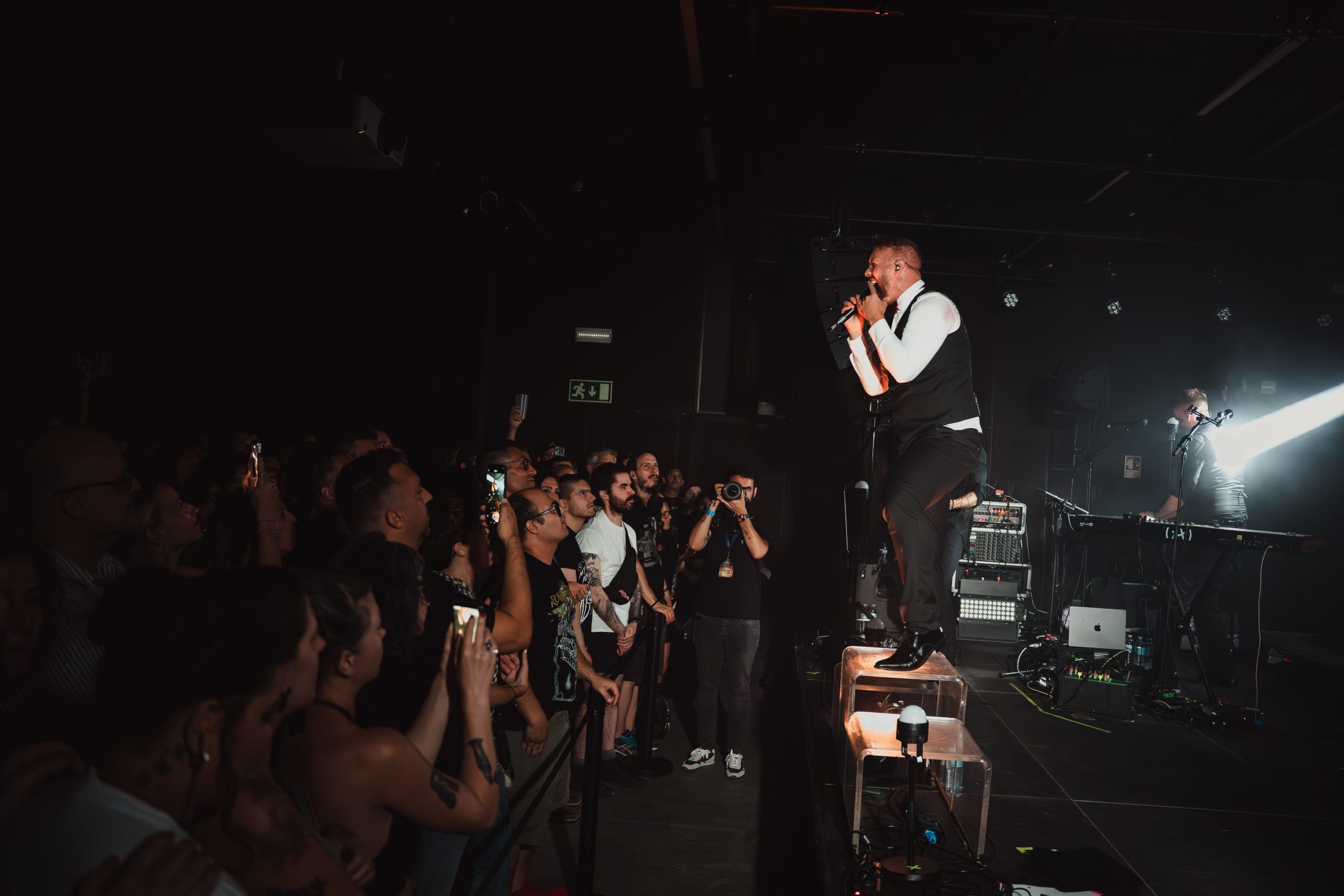
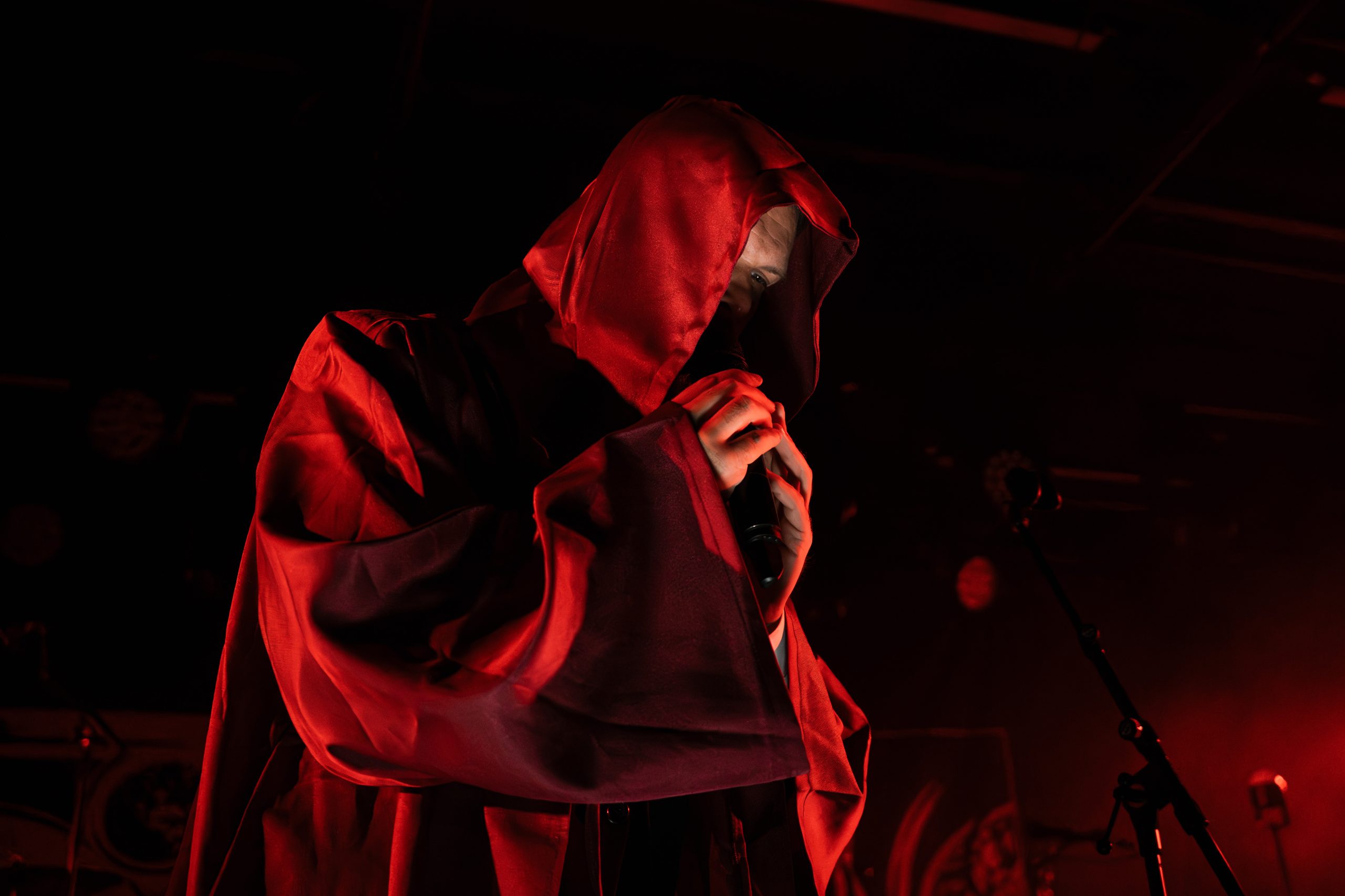
Einar Solberg (Photo: Miguel Solans | @metalupyourself)
But the concert was not solely about the grandeur of its arrangements. Einar took several opportunities to speak directly to the audience and share personal stories, making the performance far more intimate than it might initially have seemed. One of the most striking moments came when he spoke about his father and the circumstances surrounding his death. This personal dimension is also present in The Last Milestone. The song consequently carried an additional emotional weight when performed live, becoming one of the most moving moments of the entire night.
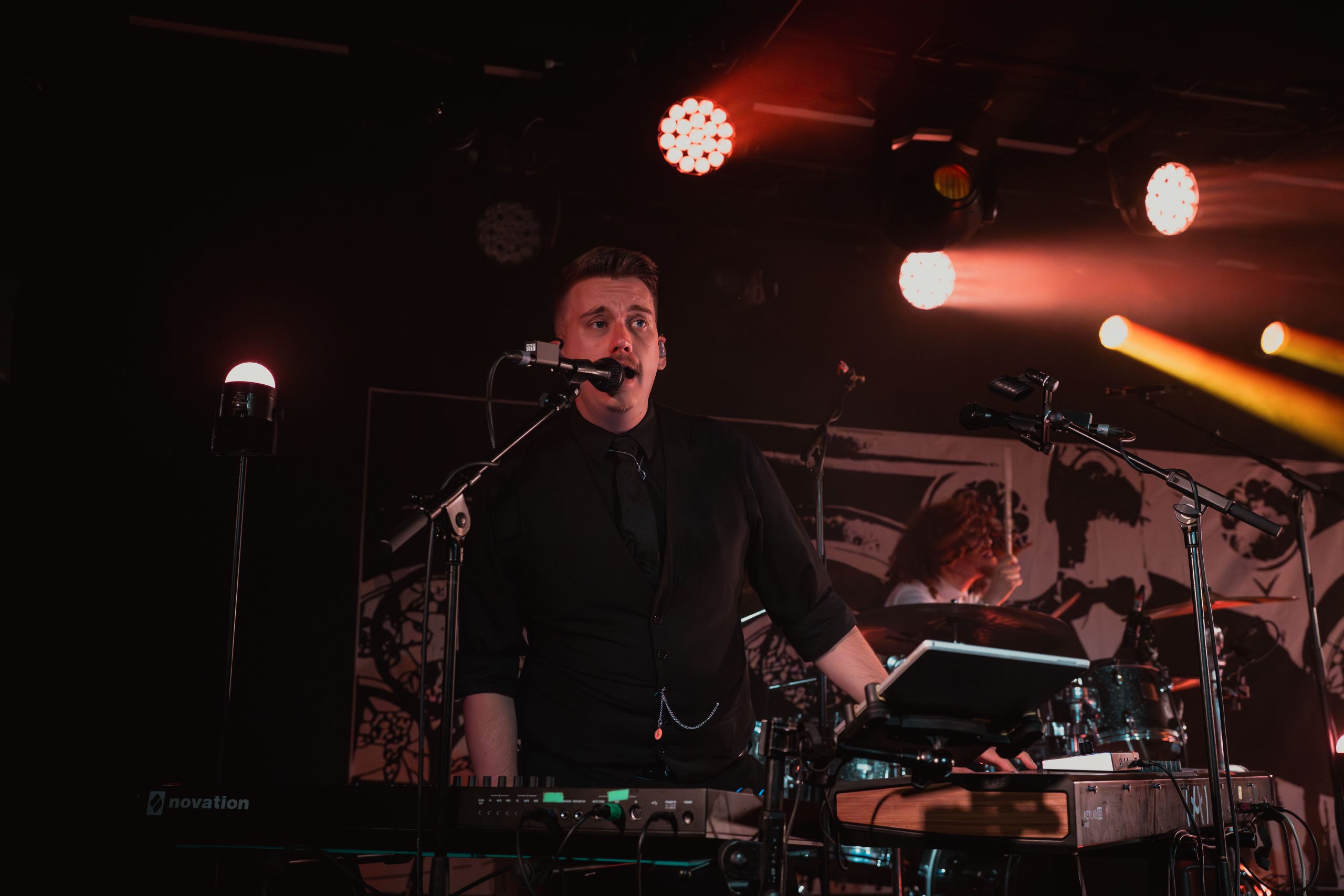
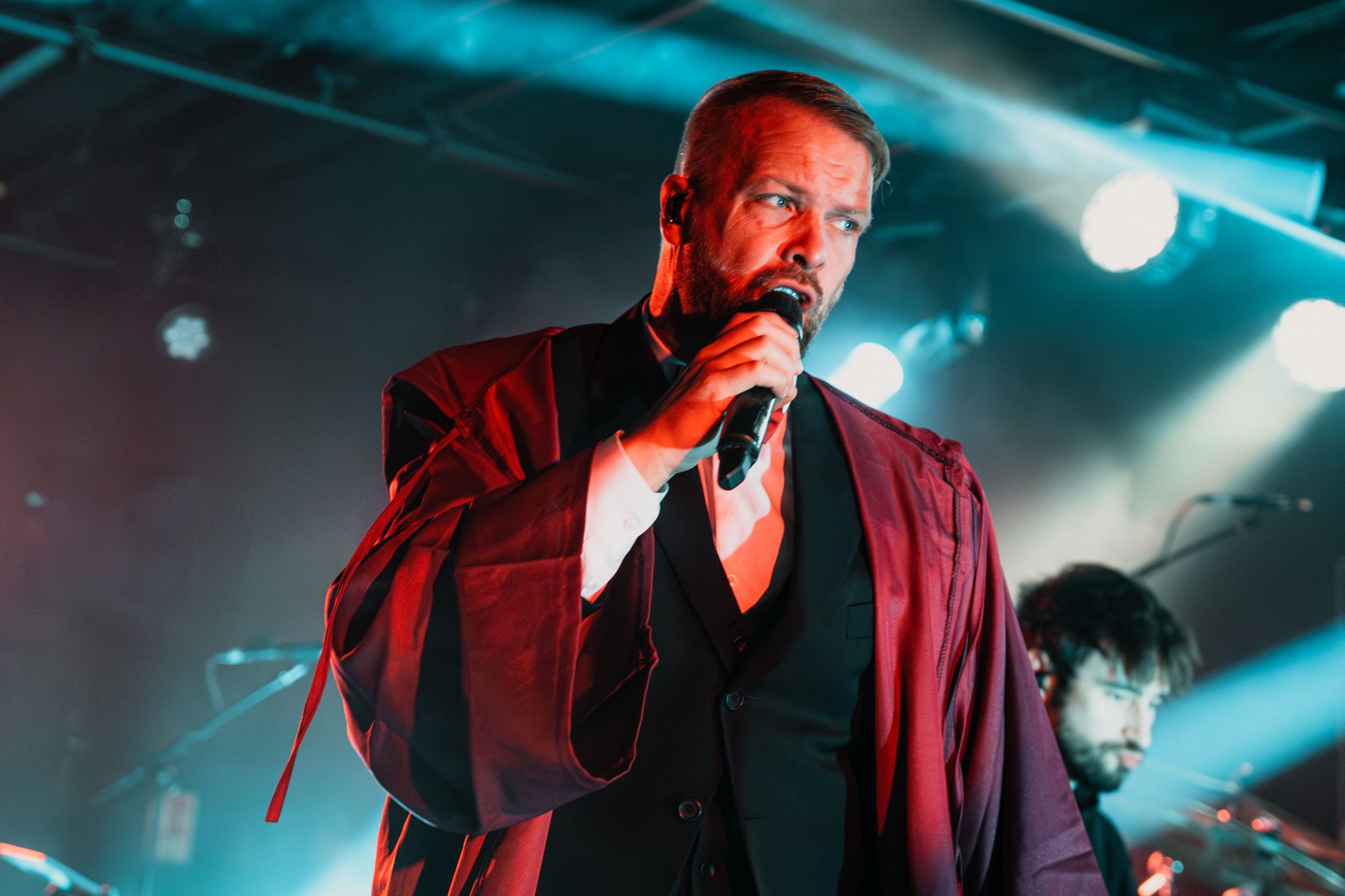
Musically, there was room for different sides of Einar. While his voice and the large orchestral arrangements gave the concert an almost theatrical scale, there were also moments of greater restraint. During Where All…, for example, Einar took to the keyboards, contributing to one of the more melancholic moments of the performance. Einar’s vocal ability naturally remained one of the night’s major highlights. The performance moved through different registers, from restrained low notes to his characteristic falsetto, while also making room for moments of greater vocal aggression. The structure of the show itself alternated between heavier passages and more contemplative ones, always maintaining the feeling of a soundtrack to a story still being written.
And although comparisons with Leprous are inevitable, the concert made it clear that Einar Solberg’s solo project is intended to stand on its own. The music naturally shares some of his characteristics as a composer and performer, but the use of strings, orchestral textures and a more openly cinematic approach gives the project an identity of its own.
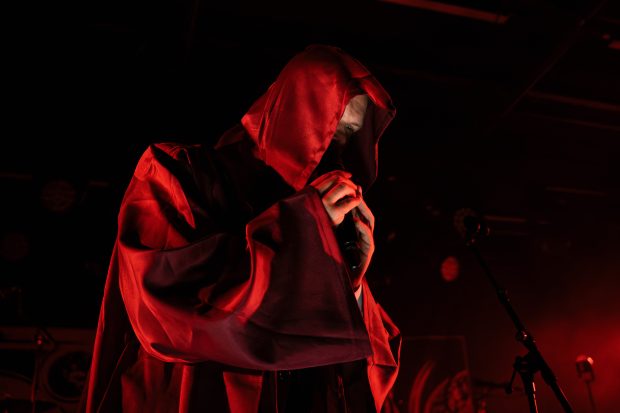
Einar Solberg (Photo: Miguel Solans | @metalupyourself)
No Encore, for now…
Einar explained to the audience that, in his view, it did not yet make sense to do an encore until he had released at least four solo albums. A statement which, hopefully, may also serve as a small promise of future solo adventures. At Mouco, the musician showed that his solo journey is more than an extension of the work he has developed with Leprous. Between grand orchestral arrangements, moments of heaviness, delicate passages and personal stories shared with the audience, Einar Solberg delivered a performance that draws as much from the cinematic scale of his music as it does from his ability to make it deeply personal.
Overall, it was a night built around four very different acts that ultimately converged on the same point: music as a space for exploring different states of mind.
A special thank you to Free Music Events for allowing us to be present at this show and experience such a special night at Mouco.
JOVIAN MOONS
RAPHAEL WEINROTH-BROWNE
ROYAL SORROW
EINAR SOLBERG





Comments are closed.