

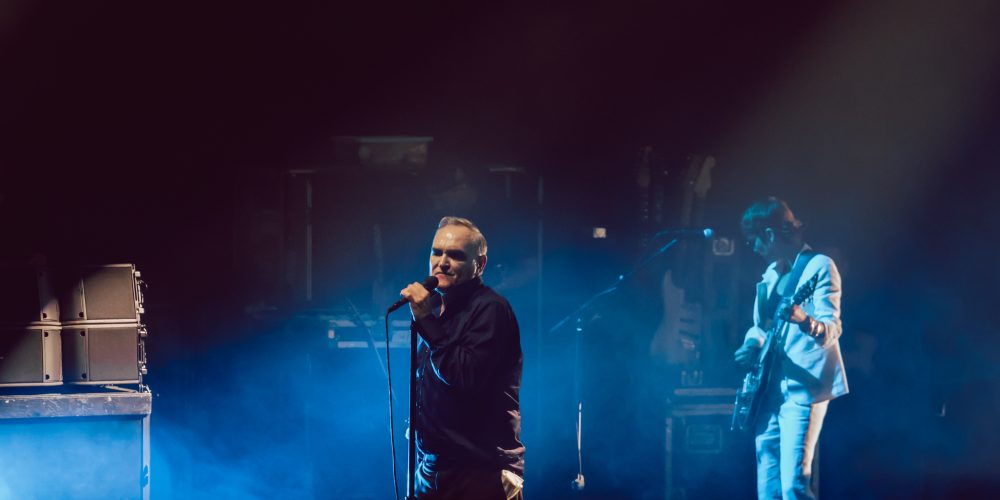
Morrissey returned to Porto with a performance marked by expectation, reflection and timeless songs
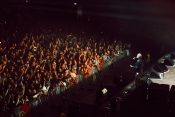
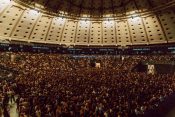
More than a decade after his last appearance in Portugal, Morrissey returned to the Super Bock Arena for a concert that reminded audiences why he remains one of Britain’s most distinctive and polarising songwriters. The former The Smiths frontman was welcomed by an audience that had waited twelve years for his return, filling the venue with an atmosphere of anticipation well before the scheduled start of the performance.
As the advertised starting time passed, expectation gradually turned into impatience. Around 30 minutes after the concert was due to begin, sections of the audience responded with whistles and boos, expressing their frustration as the stage remained empty. Despite the growing restlessness, the mood changed almost instantly when the lights finally dimmed and Morrissey appeared alongside his band. The earlier discontent quickly gave way to sustained applause, signalling that the audience was prepared to leave the delay behind and focus on the music.
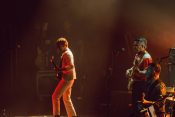
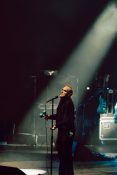
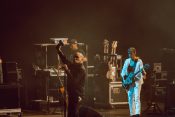
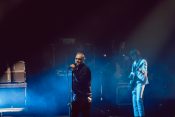
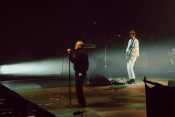
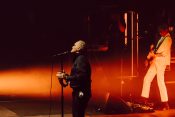
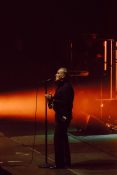
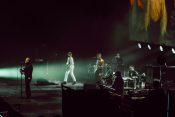
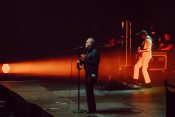
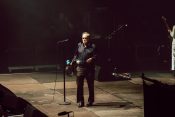
Opening with “Billy Budd”, Morrissey immediately established the tone for the evening, although he greeted the Portuguese, and Spanish crowd, with a well sounded “Andiamo andiamo”. The song’s driving rhythm and unmistakable vocal delivery provided a confident beginning, while the band demonstrated the precision and cohesion that has characterised his live performances in recent years. Without relying on elaborate stage production, the performance placed the emphasis firmly on the songs, allowing the music and Morrissey’s commanding presence to remain at the centre of attention.
The set moved comfortably between solo material and compositions forever associated with The Smiths, illustrating the breadth of a catalogue that has continued to resonate across several generations. “Irish Blood, English Heart” retained its urgency, its politically charged lyrics delivered with conviction, while the audience responded enthusiastically from the opening chords. Throughout the evening, Morrissey’s interaction with the crowd remained characteristically understated, allowing the songs themselves to carry much of the emotional weight.
One of the night’s defining moments came during “The Bullfighter Dies”. As the band performed the song, the venue’s screens displayed footage of bulls attacking matadors, reinforcing the composition’s well-known criticism of bullfighting. The visual presentation prompted an enthusiastic reaction from many Spanish fans in attendance, whose cheers echoed throughout the arena as the images unfolded. The combination of music and visuals transformed the performance into one of the evening’s most memorable and discussed moments, underlining Morrissey’s long-standing commitment to animal rights and his willingness to integrate those convictions into his concerts.
The emotional register shifted noticeably with “I Know It’s Over”. Originally released by The Smiths, the song was presented with remarkable restraint, allowing its melancholic atmosphere to fill the arena. The audience responded with respectful silence, many singing quietly along, creating one of the concert’s most intimate passages. It demonstrated once again that, despite the passing of decades, Morrissey’s repertoire continues to establish a profound connection with listeners.
The inclusion of “How Soon Is Now?” represented another high point of the evening. Introduced by the instantly recognisable tremolo guitar, the song generated one of the strongest reactions from the audience, with thousands of voices accompanying every verse. Decades after its release, it remains one of the defining works of British alternative music, and its live performance confirmed its enduring ability to unite audiences across different generations.
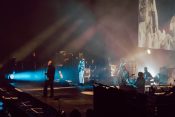
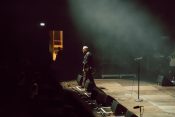
Following the main set, the band briefly left the stage after “Jack The Ripper” with a wide spread mist up on stage, before returning for an encore that concluded with “There Is a Light That Never Goes Out”. The closing song transformed the Super Bock Arena into a collective chorus, as the audience sang almost every line in unison. Morrissey stepped back on several occasions, allowing the crowd to carry the melody, creating a fitting conclusion to a concert built around songs that have remained deeply embedded in popular culture for more than forty years.
Although the delayed start briefly affected the atmosphere before the performance began, it ultimately became little more than a footnote once the music took over. The audience’s initial frustration gradually disappeared as the concert unfolded, replaced by sustained enthusiasm that remained evident until the final moments. The reception reflected not only the significance of Morrissey’s return to Porto after twelve years but also the lasting emotional connection that his work continues to inspire.
Few artists have maintained such a distinctive identity over the course of their careers. Emerging as the lyricist and vocalist of The Smiths in the early 1980s, Morrissey helped redefine British alternative music through a combination of literary songwriting, introspective themes and an unmistakable vocal style. Following the band’s dissolution, he established a solo career that has produced numerous acclaimed albums while preserving the artistic characteristics that first brought him international recognition. His work consistently explores themes of identity, alienation, politics, social observation and human vulnerability, often provoking discussion beyond music itself. Whether through his solo catalogue or his enduring association with The Smiths, Morrissey remains one of the most influential and recognisable figures to emerge from British popular music over the past four decades.
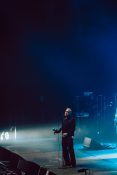
From a media perspective, the evening also departed from the standard concert photography routine. Although the accredited photojournalists were exceptionally well treated after by the promoter, Last Tour, the photography arrangements reflected specific requirements imposed by Morrissey’s management. Instead of the customary access to the photo pit, photographers were initially instructed to work from within the audience, positioned in the middle of the arena at a considerable distance from the stage. Later in the concert, they were relocated to an elevated platform at the side of the venue, providing a different perspective but still without access to the pit. While the restrictions presented an unusual challenge for documenting the performance, the professionalism and continuous support shown by Last Tour throughout the evening ensured that the accredited media could work under the best possible conditions within those limitations. Their commitment and efforts contributed significantly to what ultimately became a memorable night for both the audience and the press.




Comments are closed.